
What Owners Should Watch For
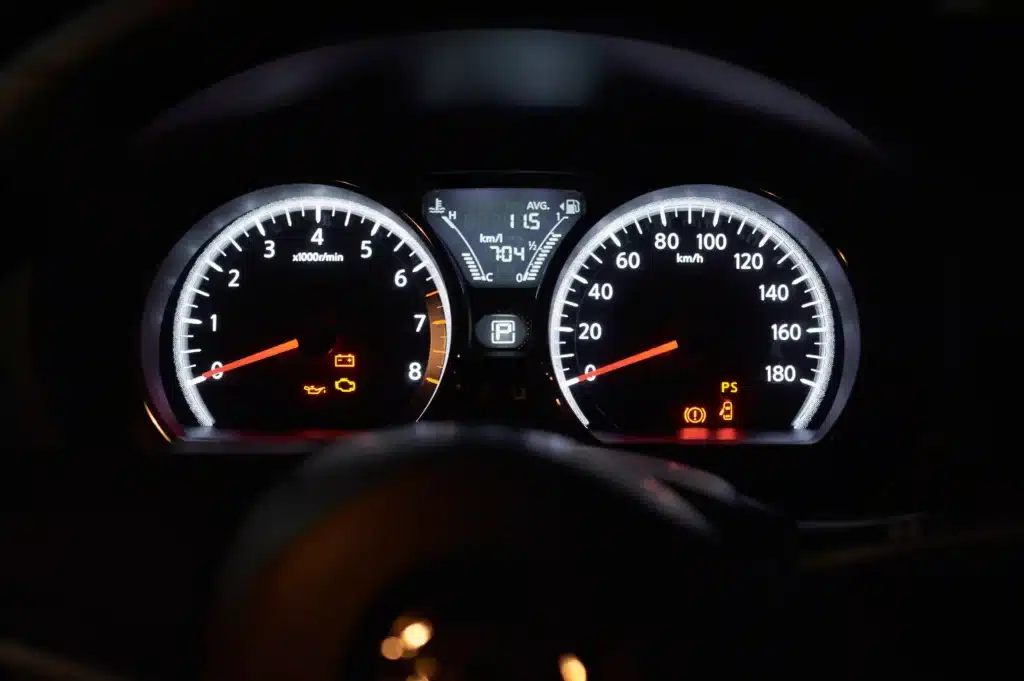
Audi has recalled roughly 44,400 vehicles from the 2021 model year because the digital instrument cluster (the screen behind the steering wheel that Audi markets as the Virtual Cockpit) can shut itself off while you are driving. When it does, the speedometer, tachometer, gear indicator and driver-assistance warnings disappear with it.
If that has happened to you, you already know it is not a minor glitch. Here is what Audi found, how to tell whether your car is affected, and what your options are if the repair does not solve the problem for good.
The Recall at a Glance
| Vehicles affected | 44,387 |
| Model year | 2021 |
| Models | A6 Sedan, A6 Allroad, A7, A8, Q7, Q8, S6 Sedan, S7, S8, SQ7, SQ8, RS6 Avant, RS7, RS Q8 |
| The defect | Cluster software shuts down the display after detecting an internal fault, often traced to an aging flex-foil cable |
| The remedy | Free dealer software update that keeps safety indicators on screen after a fault is detected |
Audi first received reports of black cluster screens from an overseas market in April 2024. After investigating for nearly a year, the company concluded in February 2025 that the failures traced back to age-related damage to a flex-foil cable inside the cluster. Vehicles built from July 2021 onward use a cable from a different supplier, which is why 2022 and newer Audis fall outside the recall.
How To Tell If You Are Having This Problem
The failure is intermittent, which is exactly what makes it easy to second-guess. Owners often assume the car is installing an update, or that they imagined it. Watch for any of these:
- The cluster goes fully black while driving
- The speedometer or tachometer disappears
- The gear or drive-mode indicator drops out
- Driver-assistance warnings stop appearing
- The fuel gauge or range readout disappears
- The display returns after you park and restart
The restart-and-it-works-again pattern is the most commonly reported version, and it is the one most likely to be recorded as “could not duplicate” at the dealership. That does not mean nothing happened!
Why This is a Safety Defect
It is worth being direct about the stakes, because owners tend to undersell what happened to them.
Losing the cluster at highway speed means you have no speedometer in a state with camera enforcement and speed-based traffic law, no confirmation of your gear selection, and no visual warning from the collision and lane systems you paid for. One owner reported the screen going dark on I-95 with no speed readout at all. Another described losing speed, gear, fuel level and lane-assist status at once, then paying more than $3,000 to have the cluster assembly replaced at 31,489 miles.
Audi has logged more than 2,200 customer complaints on this issue. It is a known, documented, manufacturer-acknowledged defect. This history matters if you end up needing to make a claim.
What to do Right Now: Five Steps
- Take the Recall Repair. It is free and it is quick. Do not skip it because you are considering a claim. Going through with the repair strengthens your position rather than weakening it, because every visit becomes part of a written record.
- Get a Repair Order for every Visit. This includes the visits where the technician could not reproduce the fault. Ask before you leave the service drive; getting a copy weeks later is harder than it should be.
- Write Down What You Saw & When. What date, which road, what speed, which readouts disappeared, how long it lasted, will be important for your case. Even a note on your phone, photos, or a passenger’s video of a dark cluster are better than either of you will expect.
- Keep Every Receipt, Especially Pre-Recall. Audi’s software remedy became available to dealers around April 10, 2025. Before that, dealers were instructed not to bill the work to this campaign, so some owners paid out of pocket for a repair that later became free. Reimbursement is normally available for repairs made before a recall remedy is released. Keep the invoice and any note about what happened.
- Track Your Days Out of Service. Time waiting on a cluster assembly counts separately from the number of repair attempts, and owners routinely forget to total it up.
What the Recall Fix Actually Does
This is the part that gets glossed over the most.
The remedy is a software update. It changes how the cluster behaves after it detects a fault. Instead of shutting the display down, the new software keeps safety indicators visible and shows a warning light telling you to get the car serviced.
That is a meaningful improvement, but notice what it does not do. It does not replace an aging flex-foil cable, and it does not restore a cluster that has already failed. If your screen keeps going dark after the recall work was performed, the update did not solve your problem. In fact, it was never designed to.
That is the point where a recall stops being the answer and California warranty law becomes relevant.
When The Repair Does Not Hold: California Lemon Law
The Song-Beverly Consumer Warranty Act, what most people call the California lemon law, applies when a defect covered by the manufacturer’s warranty substantially impairs the use, value, or safety of the vehicle, and the manufacturer has been given a reasonable number of opportunities to repair it.
An instrument cluster that blanks out at freeway speed goes to safety about as directly as anything on a car.
A few things owners are usually surprised to learn:
- A “could not duplicate” visit still counts as a repair attempt. Intermittent faults are the norm with this defect, not an exception that works against you.
- You do not have to have paid out of pocket. An owner-paid cluster replacement is strong evidence, but it is not a requirement.
- Completing the recall does not close the door. It adds to your documented repair history.
- Warranty expiration is not automatically the end. What generally matters is when the defect first presented and was reported, not the date you file. Many 2021 Audis are now past the 4-year/50,000-mile basic warranty, which is exactly why the dates on your early repair orders are worth digging out.
Because timing rules and deadlines vary with the facts, this is the piece worth having reviewed by an attorney rather than guessed at.
What to Expect If You File a Claim
Most owners have never done this and imagine something far more disruptive than it is.
- A free case review. You share your repair orders and describe what has happened. An attorney tells you whether the repair history meets the standard. This costs nothing and does not commit you to anything. Lemon Law Help will guide you through the process!
- Gathering records. Repair orders, the purchase or lease contract, warranty documents, service history. If you are missing paperwork, the dealership and manufacturer records can usually be obtained.
- A demand to the manufacturer. Your attorney presents the repair history and the remedy sought.
- Negotiation, and sometimes filing suit. Many claims resolve without a trial. Some require a filed case to move.
- Resolution. A successful claim typically ends in a buyback (repurchase of the vehicle, with a deduction for the miles you drove before the defect appeared) or a replacement vehicle.
You keep driving your car the whole time. Nothing about the process requires you to surrender the vehicle while it is pending.
California lemon law claims are handled on a contingency basis, and Song-Beverly provides for the manufacturer to pay the prevailing consumer’s attorney fees. You are not paying hourly to find out where you stand!
Useful contacts
Audi Customer Service: 1-800-253-2834 confirm open recalls or report an ongoing electrical problem
NHTSA Vehicle Safety Hotline: 1-888-327-4236 report a suspected safety defect
NHTSA recall lookup: enter your VIN to confirm coverage
Filing a complaint with NHTSA takes a few minutes and creates a public record. The 2,285 complaints Audi logged on this issue are a large part of what moved it toward a recall in the first place.
Reviewed by Roger Kirnos, Managing Attorney, California State Bar No. 283163.