
A 6.2L V8 does not usually say goodbye. One minute the truck is pulling a grade with the cruise set, and the next there is a bang, a dead pedal, and two and a half tons of truck coasting toward a shoulder that may or may not be there.
That single second splits this story in half. There is everything you noticed beforehand, most of which only makes sense in hindsight, and everything that came after: the tow truck, the teardown, the service advisor telling you the engine is on backorder.
If that is where you are, with a nearly new Chevrolet, GMC or Cadillac sitting at a dealership waiting for a long block, you are in a very large group. Here is how these failures unfold, what General Motors has done about them, and what California law says about a truck that destroyed its own engine under warranty.
The Noises That Only Make Sense Later
Almost every owner who loses one of these engines replays the previous few weeks. A tick at cold start that faded once the oil warmed up. A low knock at idle, heard through an open window in a parking garage, that you told yourself was normal for a big V8.
The one that matters most is a deep growl or rumble from the bottom of the engine under load, usually while accelerating or towing. That sound is not the exhaust or the transmission. It is metal running out of the thin film of oil that keeps it off other metal.
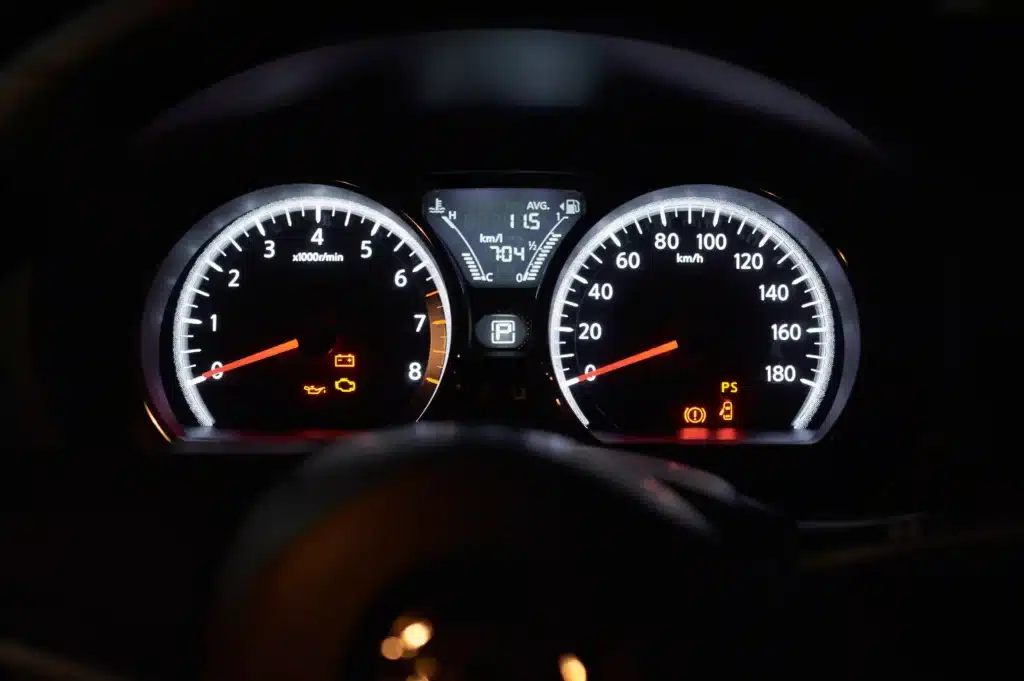
Some owners also remember a check engine light that came on once and cleared by morning. If anything like that happened before your failure, write it down.
The Engines That Gave No Warning at All
Plenty of owners have nothing to replay. In complaint after complaint, the story is a truck running normally at highway speed with no warning light and no noise, and then nothing at all.
That is not owners failing to pay attention. A connecting rod bearing can go from worn to gone in seconds, and once it lets go the damage is total. The engine failures that made the news are largely of this type, which is why they frightened people so badly.
The Seizure, the Shoulder and the Tow
The failures reported to federal regulators tend to happen at speed, which is the worst possible place for one. The reports read the same way, three or four lanes of traffic crossed with no throttle response, some with a trailer behind them, some with children in the back seat.
Then comes the part nobody prepares you for. The truck goes on a flatbed, the dealership opens a case, and you learn that a replacement 6.2L is not sitting on a shelf. Vehicles have waited months, and loaner cars run out fast.
Photograph the vehicle before it leaves, including the odometer and any message on the dash. Write down the date, the road and the speed while it is still exact in your memory.
What the Teardown Finds Inside the 6.2L
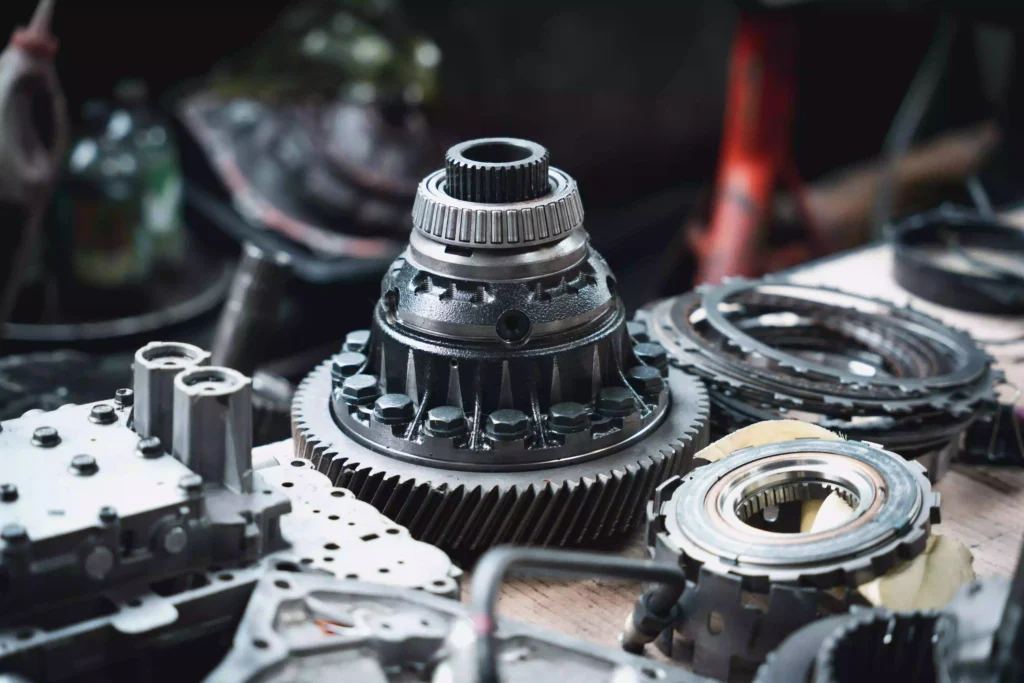
When these engines come apart, the verdict is usually the same: bearing failure. Technicians find connecting rod bearings that spun or disintegrated, with metal debris carried through the oil system. In the worst cases a rod broke and punched a hole in the block.
General Motors described it in similar terms when it filed the recall, pointing to sediment left in the connecting rods and crankshaft oil passages and to crankshafts finished outside of specification. Both starve the bearings of clean oil.
That matters for one reason. This is a manufacturing defect the manufacturer has acknowledged in writing, not an oil change you missed or a driving habit a dealer can pin on you.
The Recall, the Inspection and the Thicker Oil
In the spring of 2025, General Motors recalled roughly 600,000 trucks and SUVs over this defect, covering the 2021 through 2024 model years. The list includes the Chevrolet Silverado 1500, Tahoe and Suburban, the GMC Sierra 1500, Yukon and Yukon XL, and the Cadillac Escalade and Escalade ESV.
The remedy is not one repair. The dealer inspects the engine first, and what happens next depends on what that inspection shows.
If the engine passes, the GM L87 engine recall oil service applies: the factory oil comes out and a thicker 0W-40 synthetic goes in, along with a new oil cap, filter and owner manual insert. If it fails inspection, General Motors repairs or replaces the engine at no charge. Vehicles that clear the inspection, and engines replaced under the recall, also pick up extended coverage good for 10 years or 150,000 miles, counted from the day the vehicle first went into service.
The Chevy Silverado L87 engine recall left gaps. Silverado and Sierra trucks from the 2019 and 2020 model years carry the same engine but sat outside it, and federal investigators later pulled those complaints into a wider review. Enter your VIN at the federal recall lookup to see what applies to your vehicle.
One more thing to know. Federal regulators are still examining whether the remedy itself works, because engines have failed again after both versions of it, the thicker oil and the full replacement.
California Lemon Law When the Engine Seizes Under Warranty
A free repair and a legal claim are two different conversations, and the recall only ever answered the first one. An engine that lets go at 70 miles an hour, with a trailer behind you and traffic on both sides, has taken the safety of the truck outright, and that is exactly the kind of impairment the Song-Beverly Consumer Warranty Act was written for.
A failure that strands the pickup at a dealership while a long block ships has taken the use of it just as plainly, and the calendar time your vehicle sits unavailable carries weight by itself, apart from how many visits it took. General Motors also has to have had a fair run at repairing it, whether that took the shape of repeat visits or one long stay while the truck waits on an engine.
Two points regularly surprise owners here. Going through with the recall service never counts against you, because it puts one more dated visit in your file, and a visit that ended with the technician finding nothing is still a visit.
An expired factory warranty does not automatically close your options either. Find the earliest repair order that mentions a noise or a warning light and put it on top of the stack, because that date is where the argument starts.
A GM 6.2 class action lawsuit over these engine failures is pending in federal court in Michigan, with no class certified so far and no money paid to owners. Nothing has been taken from you and there is nothing to opt out of yet, so your California claim stays your own, measured on your facts rather than an average share of a fund.
The Costs the L87 Recall Leaves With You
Set the recall against that standard and the gap shows up right away. The repair itself costs you nothing at the service counter, and dealers are right when they say it is free, but that is also where the coverage stops.
What nobody hands back is the month your truck spent parked at a dealership, the rental car bill, or the jobs you turned down without a vehicle. Owners who paid for engine work out of pocket before the recall existed should hold on to those invoices and ask about getting that money back.
Then there is what the truck is worth afterward. A replacement long block and a service history full of engine work show up in a vehicle history report, and buyers price that in. Neither the recall nor the extended coverage pays you a dollar for that loss.
What a Successful Claim Puts Back
There are three endings General Motors can be held to here. It buys the truck back at the price on your contract, or it puts a comparable replacement in your driveway, or it writes a check and you keep the truck. Our California lemon law guide prices out all three.
Having your repair history reviewed costs nothing and obligates you to nothing. Lemon law work in this state runs on contingency, and the statute puts the fee burden on the manufacturer when the owner wins, so nobody bills you by the hour while you decide.
What GM Truck Owners Get Wrong About the L87 Failures
Most of what circulates about these engines is close enough to true that owners believe it, and wrong in the part that costs them money. Three beliefs come up over and over.
- Myth: There was no warning before it let go, so there is nothing to prove. Fact: The cause is already written into the recall filing, which names sediment left in the oil passages and crankshafts finished outside specification.
- Myth: Waiting on the class action is how a GM truck owner gets paid. Fact: Nobody has collected a dollar through it, and your California claim was never standing in that line anyway.
- Myth: A free engine replacement settles the account. Fact: It replaces the part and nothing else, so the months without a truck and the money a buyer will knock off later stay with you.
Which side of each line your own truck falls on is a question your file answers, not a forum. Put the repair orders together with the tow and rental receipts, and Lemon Law Help can work out what General Motors still owes a California owner once the recall has done everything it is going to do.
Reviewed by Roger Kirnos, Managing Attorney, California State Bar No. 283163.