
The Pacifica Hybrid was supposed to be the sensible one. It seats the whole family, it covers the school run on battery alone, and the gas engine is there for the trips that need it. Buying one is not an indulgence, it is a way to spend less on the driving you cannot avoid.
The savings stop mattering in the middle lane. You have both kids behind you when the dash announces the van is about to shut off, and a second later it does, and what is left is momentum and a shoulder to aim for.
The Chrysler Pacifica transmission issues that produce that moment are not a fluke and not something you did wrong. They have been recalled once already, and federal reviewers went back for a second look because the repair did not end them.
How a Pacifica Hybrid Actually Moves
An ordinary minivan has one source of motion and one gearbox to manage it. A Pacifica Hybrid has a gasoline V6 and two electric motors, all feeding a single transaxle that decides, moment to moment, which of them is doing the work.
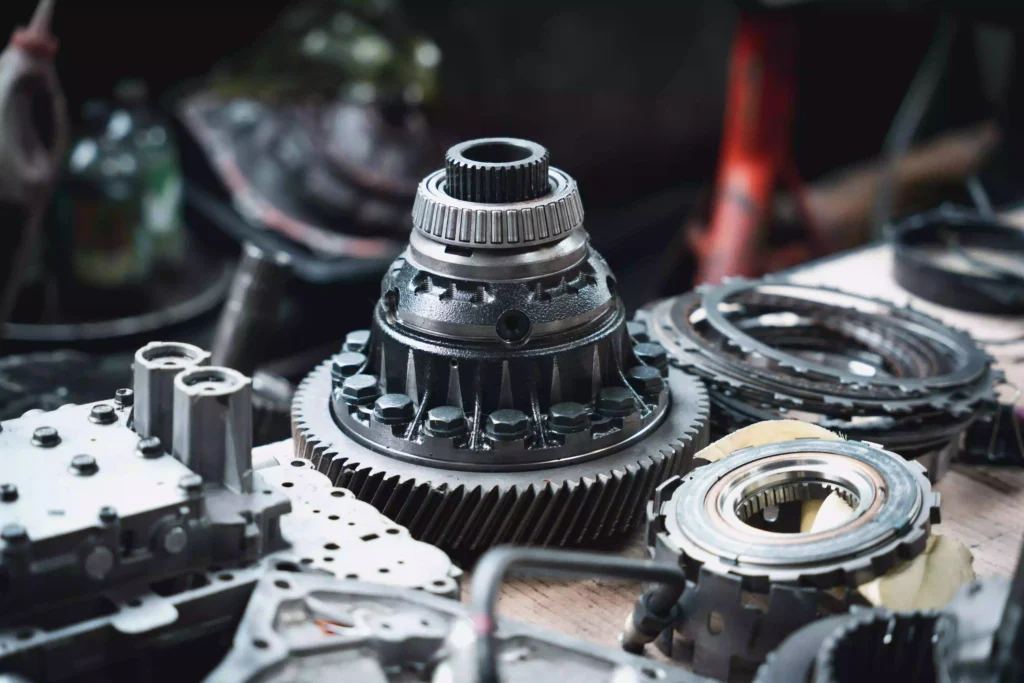
That transaxle is not a normal automatic with fixed gears. It blends the engine and both motors through a planetary set, so one motor can turn the wheels while the other makes electricity, or both can pull together, or the engine can join in when you ask for everything at once.
The upside is efficiency you can feel. The requirement is agreement, because three power paths have to stay in constant negotiation and each one has to report its position honestly for the rest to keep trusting it.
Pacifica Hybrid Shutdowns, and the Federal Review They Triggered
The failure owners call about rarely announces itself the way a dying gearbox does. There is no slipping, no whine, no smell of scorched fluid.
The van simply stops pulling. Some owners drop into a reduced power mode and creep toward the shoulder, while others lose the engine and coast. A number report the gear indicator flashing afterward and the van unwilling to leave the spot where it stopped.
The cause is electrical rather than mechanical. A wiring connector inside the transmission of 2017 through 2023 plug-in hybrid vans can short internally, and when it does the system stops believing the motor it is supposed to be commanding.
Chrysler recalled about 67,000 of those vans in January 2023 and notified owners that March. Federal safety regulators opened a formal review of that repair in February 2024, after 132 reports of the same loss of power kept arriving, including from owners whose vans had already been through the recall. No second transmission recall has followed.
The Complexity Tax on a Pacifica Hybrid
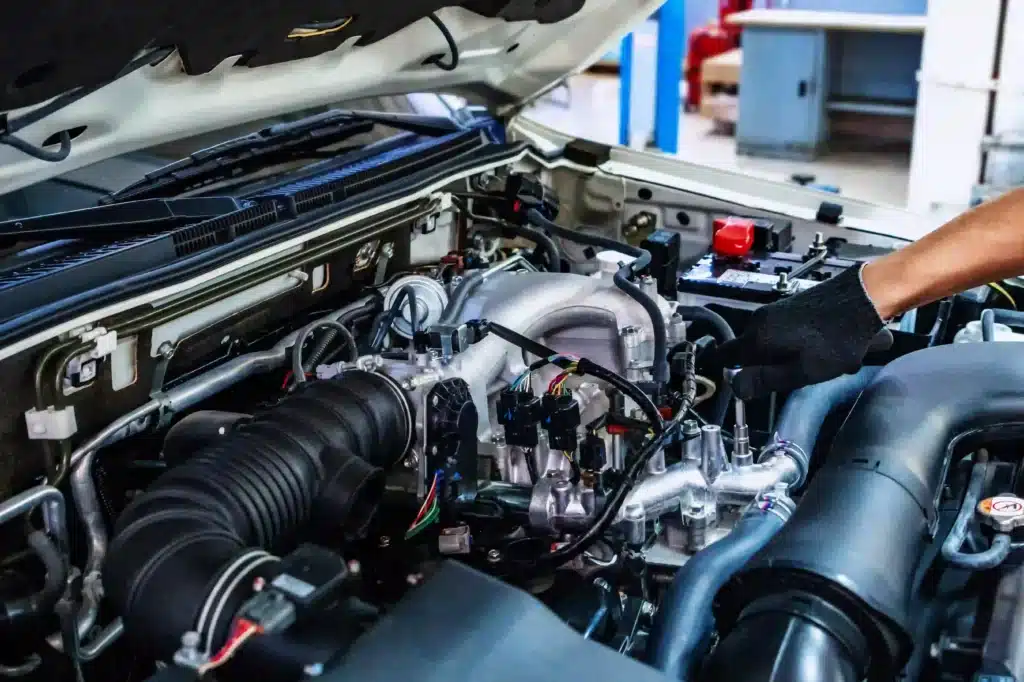
Two power sources mean two ways to be stranded, and the ways multiply where the two meet. A gasoline minivan that quits has a fuel problem, a spark problem, or a broken part. A plug-in hybrid that quits may have any of those plus a battery, an inverter, a motor position reading, or a connector that behaves at idle and lies under load.
Diagnosis pays that tax as well. An intermittent electrical fault in a system this layered can pass every test the service department runs, which is how a van that stranded you Tuesday gets handed back Thursday with nothing found.
Owners tend to take that personally, and they should not. On a van where three power paths negotiate with each other every second, a fault that hides from the scan tool is closer to expected than unusual.
The Pacifica Update That Warns You Before It Quits
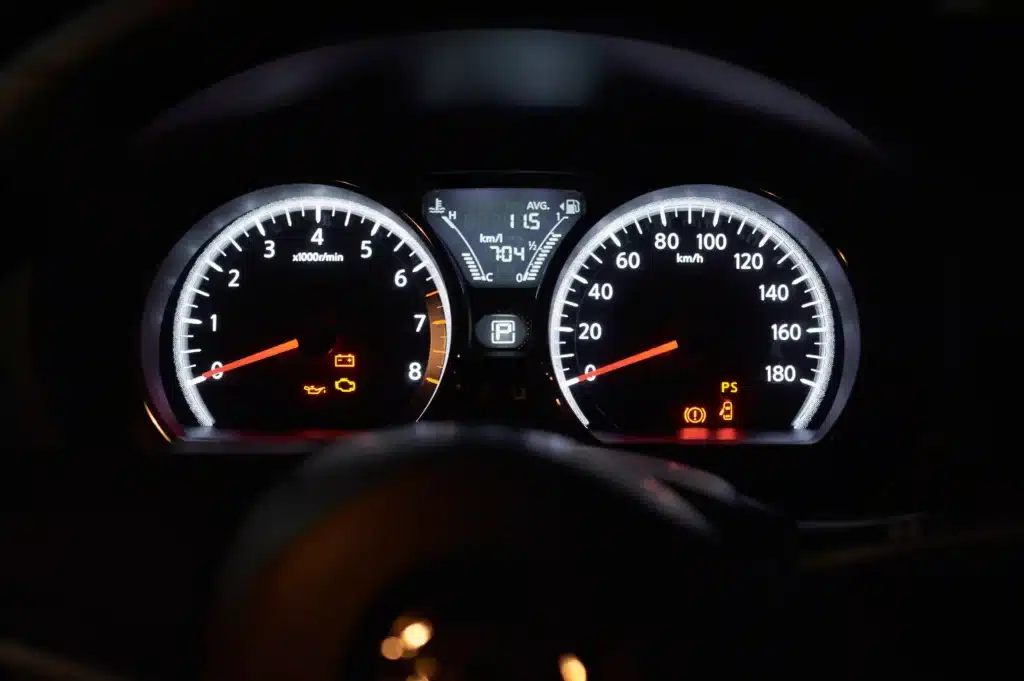
The recall remedy was a software change, not a new part. Dealers reprogrammed the power inverter module so the van announces that it is about to shut off before it happens, with a chime, a warning lamp and reduced power beforehand.
Read that plainly, because owners routinely miss it. The update does not stop the connector from shorting and does not keep the engine running. It limits torque and buys you a few seconds of notice, and then the shutdown arrives anyway.
Ending it for good takes a hardware replacement at a dealership, one van at a time. Chrysler confirmed to federal regulators that the software does not prevent the loss of power, and that confirmation is the reason regulators are not finished with this one.
The Separate Pacifica Battery Recall Owners Keep Mixing Up
Chrysler Pacifica Hybrid problems have not stopped at propulsion, and owners keep reading this next notice as news about the shutdowns. It is not the same campaign.
The company filed a separate recall in the spring of 2026 covering roughly 17,000 plug-in vans from the 2020 to 2022 model years, over a high voltage battery that can catch fire. Owner letters followed that June and told people to park outside and stop charging until it is handled.
That campaign has its own remedy and does nothing about the shutdowns. Put your vehicle identification number through the federal recall database so you know which notices are open on your van, then read the transmission one again with the update in mind. It promised warning, not repair.
A Pacifica Owner in California Is Not Limited to the Recall
A recall is the manufacturer promising to try. Trying and succeeding are different things, and the distance between them does not cap what you are owed.
Song-Beverly Consumer Warranty Act coverage does not shrink because a defect happens to be electrical instead of mechanical. What the statute measures is harm, and a van that can stop pulling in a traffic lane with your children behind you registers on the safety side of that before anybody reaches the resale question.
Where safety is what got hurt, Chrysler gets fewer chances before the law calls it enough.
A recall visit counts as a repair attempt, so a reprogram that did not stop the shutdowns is a failed attempt on Chrysler’s own paperwork. A remedy that manages a failure instead of removing it also leaves the defect in the vehicle, which is what federal reviewers said about this one.
Chrysler either buys the van back or hands you a replacement once a claim gets that far. Our California lemon law guide spells out what each of those is actually worth to a family.
For more on how these claims run against this automaker, see our Chrysler lemon law page.
Chrysler Owes More for a Van This Complicated
You bought the sophistication on purpose. A gasoline engine and two electric motors sharing one gearbox is a genuinely clever piece of engineering, and when it behaves it does something no ordinary minivan can do.
Sophistication carries an obligation, though. The more systems a manufacturer asks a family to depend on, the more it owes that family in reliability, and a propulsion system that can quit in a traffic lane has not held up its end.
If the Pacifica has shut down on you more than once, or the recall work did not hold, Lemon Law Help can read what the dealer wrote down and tell you whether the record supports a claim. The conversation costs nothing.
The federal review of that repair is still open. The company’s own answer to regulators is that the reprogramming does not keep the van running. Those are the two facts a Pacifica Hybrid owner is actually working with.
Reviewed by Roger Kirnos, Managing Attorney, California State Bar No. 283163.