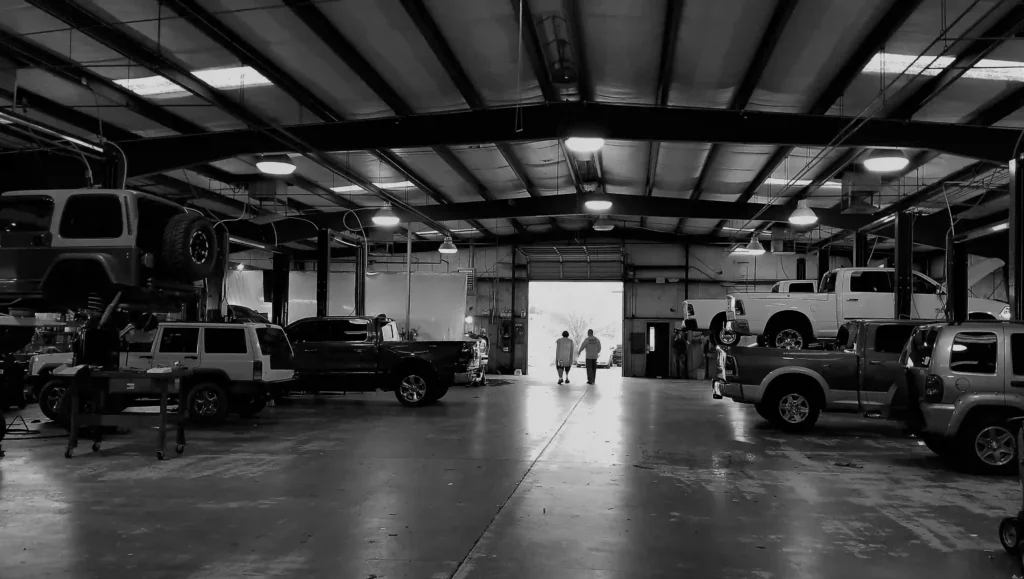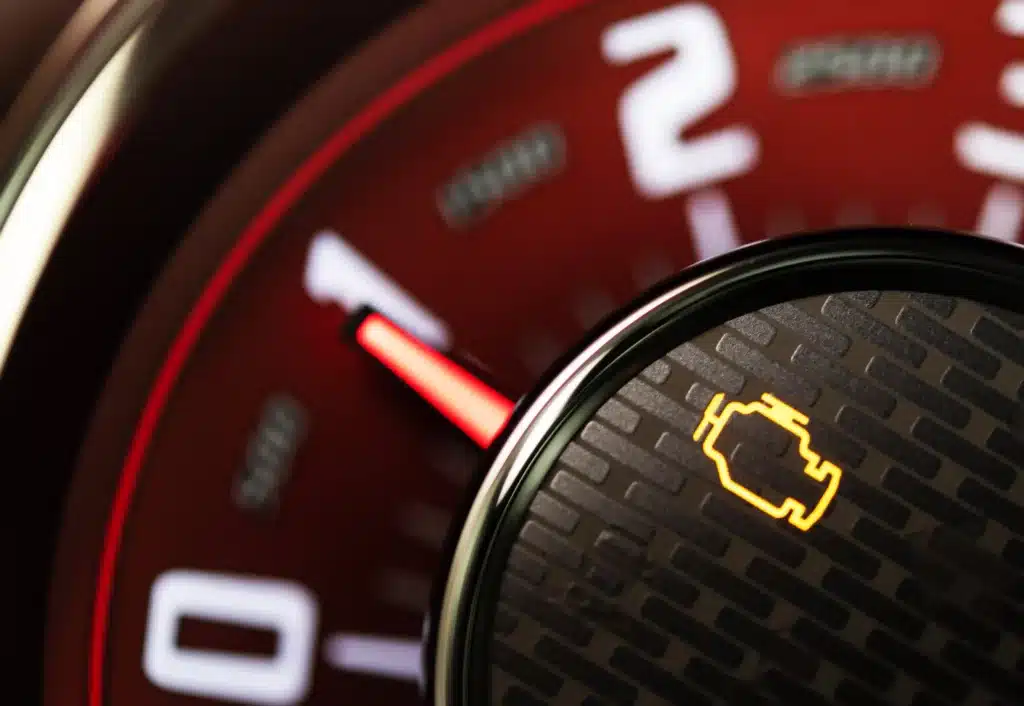

The mechanic wipes his hands, listens for about four seconds and gives you the shrug. These do that. Every one of them ticks a little.
You are standing there with a Jeep, a Ram or a Durango that sounded fine last winter and now taps like a sewing machine on every cold start. The 3.6L Pentastar V6 under your hood is the most widely used gasoline engine Stellantis builds, which is supposed to be reassuring news. It is also the reason that shrug lands the way it does.
An engine can be common, well regarded and still be the one thing wrong with your vehicle. Yours is the one that matters here, and a warranty still running on it gives you more leverage than that shrug suggests.
The Cylinder Head Repair That Built the Pentastar's Reputation
The Pentastar arrived in 2011 and quickly developed a bad left cylinder head. Valve guides and seats wore faster than they were supposed to, compression fell off on that bank, and owners got misfires, a check engine light and a quote nobody was expecting on a nearly new vehicle.
Chrysler redesigned that head partway through 2012 and stretched coverage on the original head out to a decade or a hundred and fifty thousand miles. It worked. Head failures thinned out, the forums moved on, and the engine spent the years afterward being described as the one Chrysler finally got right.
What that story leaves out is that the complaints did not stop. They moved. The rocker arms and lifters riding on the camshafts became the parts owners started paying to replace, and those reports followed the engine straight through the model years the head fix was supposed to close out.
What a Pentastar Failure Sounds Like Now, and What Shops Charge
The Pentastar tick is the opening move almost every time. It is a light metallic tapping from the top of the engine, loudest on a cold start, and it often quiets down as things warm up. That fade is what lets Pentastar owners talk themselves out of it.
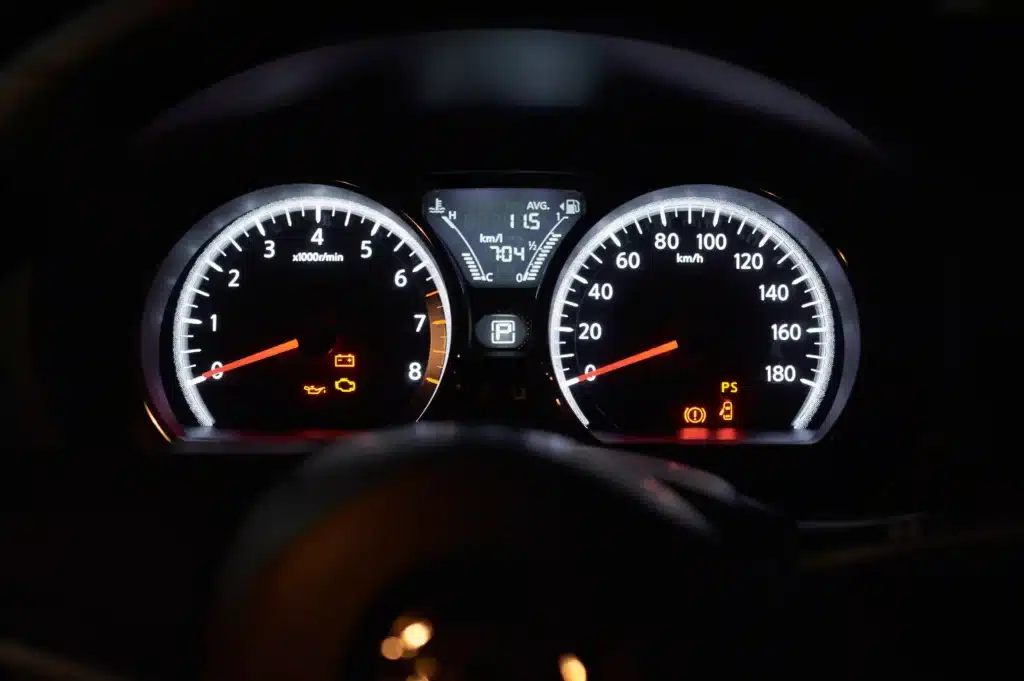
The 3.6 Pentastar problems owners log after that arrive in a fairly consistent order:
- Tapping on cold start that gets louder across a few months
- A misfire code, usually on one cylinder before the others
- Hesitation or a stumble when you ask for throttle
- Bucking and surging at a steady cruise
- Oil disappearing between changes with no puddle on the driveway
- A stall, a restart, then another stall
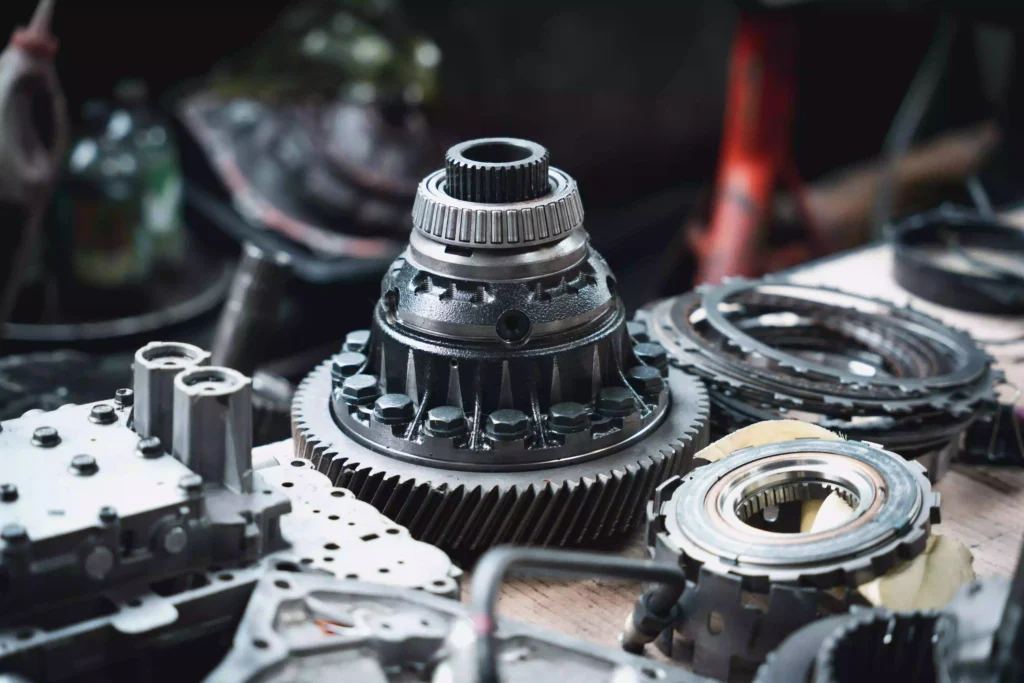
Underneath that list is metal. When a rocker arm or a lifter wears, it sheds material into the oil, the pump carries that oil everywhere, and the problem stops being about one part. Waiting is the expensive choice here.
Replacing individual valvetrain components runs roughly fifteen hundred to forty five hundred dollars, and a complete engine lands above six thousand. On Wrangler and Grand Cherokee models the oil cooler and filter housing cracking underneath is a different failure entirely, and it deserves its own line on the repair order, because oil landing on a hot exhaust is a hazard of its own.
Why an Engine Built Sixteen Million Times Gets Your Complaint Waved Off
Stellantis has built more than sixteen million Pentastar engines, and the 3.6 accounts for the great majority of them. That scale genuinely helps you. Parts sit on shelves rather than on backorder, and any competent shop in California has already been inside one of these valvetrains.
It hurts you in one specific place, and it is the place that decides your claim. When a service advisor has heard the same tapping from a hundred vehicles, the tapping becomes background noise instead of a symptom. “They all tick” stops being an observation and starts being an answer.
That is how a genuine defect gets normalized. Pentastar V6 problems get written up as characteristics of the engine, the repair order closes with nothing written down, and you drive away carrying a fault that is now less documented than it was that morning.
Where the Pentastar Class Action Leaves a Jeep, Dodge or Ram Owner
Owners ask about the lawsuit constantly, so here is where it stands in 2026: a class action covering Pentastar engines in Chrysler, Dodge, Jeep and Ram vehicles from the 2014 through 2020 model years is still unresolved, and no settlement has been announced.
What that means for you is short. A group case that has been pending for years does nothing about the noise your engine is making this week. If it ever does settle, the owners it covers are normally bound by the result unless they say otherwise in writing first.
There is also no safety recall covering the tick, so no letter is coming to force the issue. Warranty coverage, not a national campaign, is the road a Pentastar owner is on. That road runs through the repair orders in your own glovebox rather than through anything Stellantis mails out.
A Ticking Pentastar Is a Warranty Problem Before It Is Anything Else
California does not measure a defect by how many other drivers share it. The Song-Beverly Consumer Warranty Act asks a narrower question, which is what this fault has cost you in a vehicle the warranty still covered when it started, and whether Stellantis was handed enough chances to correct it.
This engine builds that record quickly. Oil consumption tests scheduled every few hundred miles, a tick the technician cannot reproduce, a misfire chased through plugs and coils, and long stretches where the vehicle simply sits at the dealership all belong in the file.
A win here is not a coupon or one more free attempt at the valvetrain. It is Stellantis buying the vehicle back for what you have paid into it, or handing you a replacement with an engine that does not tick. Our California lemon law guide goes through how each of those two outcomes gets valued.
Timing matters more than most owners expect. What counts is the point at which the fault surfaced and got written up with coverage still active, rather than the day you finally ran out of patience. Our Chrysler lemon law page sets out how these engine cases usually unfold.
If the repair orders are piling up in your glovebox, Lemon Law Help takes California cases on contingency, so finding out where your engine leaves you costs you nothing.
The Pentastar earned its reputation honestly. Plenty of them run for years and a couple of hundred thousand miles without anyone opening the valvetrain, and that average is real.
It is also not your engine. The shrug at the service counter is a statement about the fleet, and a stack of repair orders is a statement about your vehicle. Only one of the two has to start on Monday morning.
Reviewed by Roger Kirnos, Managing Attorney, California State Bar No. 283163.