
Nissan has been putting the Pathfinder name on the back of an SUV for about four decades, and that name is the most consistent thing about it. What sits underneath has been swapped out more than once.
Two people can both say they own a Pathfinder and be describing vehicles that share a badge and very little else. One has a continuously variable transmission and the complaint history that came with it. The other has a conventional automatic, a different set of electronics, and troubles of its own.
That is why one owner’s list of Pathfinder symptoms fits the next owner’s SUV so badly. Sorting the complaints by which machine sits in your driveway is the first useful thing to do.
What Went Wrong Inside the CVT Nissan Pathfinder
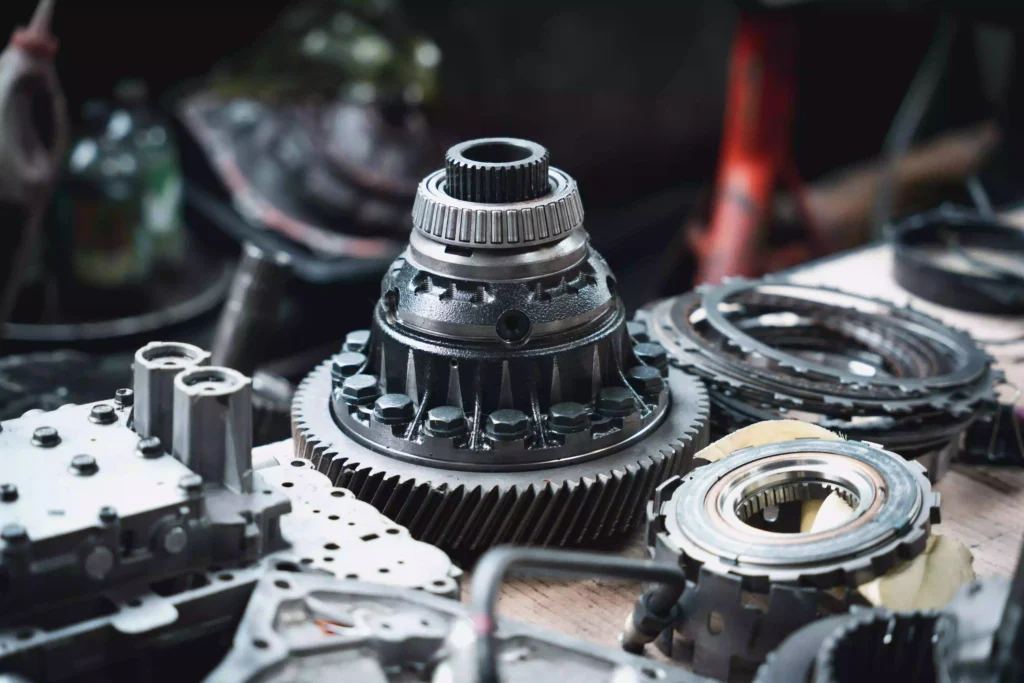
The Xtronic CVT sat in the Pathfinder from 2013 through the 2020 model year, and it produced most of the complaint volume this SUV has ever generated. The signature symptom is a shudder, a vibration under light acceleration, joined by a jerk as the SUV gathers speed and a pause before it will pull away from a stop.
Line up the 2015 Nissan Pathfinder problems owners have logged and the shape is unmistakable. Shuddering and jerking is by far the largest transmission group on that model year, ahead of late downshifts and slipping, and the ranking repeats across that run.
A smaller and stranger thread sits alongside it. A few owners reported coolant working its way into the transmission fluid, which turns a routine service visit into a much larger bill.
There is no single Nissan Pathfinder transmission fix, which owners find out one step at a time. Dealers work upward from software to hardware, and an SUV that comes back with the identical shudder after each step is how these files end up several visits deep.
The transmission never had that era to itself. The same vehicles generated steady reports of automatic emergency braking that grabbed with nothing ahead, radiator fan noise and failure, brake pads worn out far too soon, and electrical faults around the starter relay and the alternator.
What the Redesigned Nissan Pathfinder Brought With It
From 2022 the Pathfinder dropped the CVT for a conventional nine speed automatic, and the record changed shape almost at once. Four years on, owner complaint records show almost nothing on the transmission against that first redesigned model year.
The federal complaint files are not empty, and what sits in them reads differently. A cluster of owners reported the SUV putting itself into neutral or park while moving and losing drive, with a control module reprogram offered as the answer.
The loudest theme on the newer vehicle is not the transmission at all. Rear brakes wearing out well ahead of the fronts, often between ten and thirty thousand miles, draw more federal complaints than any other subject on this Pathfinder.
Behind those sit the roof reports, panoramic glass breaking without an impact and water coming in around the drains, plus infotainment screens that reboot on their own and forward collision sensors that fire on an open highway.
Which Nissan Pathfinder Faults Crossed the Redesign
Here is the sorting a used shopper needs, and it is not tidy. What did not carry over is the headline: the shudder and the transmission bills went out of the building with the gearbox, and nothing written about them tells you anything about a redesigned Pathfinder.
What did carry over is quieter and easier to miss. Brakes wearing out early appear in owner reports on both machines, and collision braking that fires on an empty road has followed the nameplate straight through the redesign.
So the question of Nissan Pathfinder years to avoid does not have one answer. On the earlier SUV the deciding fact is what the transmission history says, and on the newer one it is whether the electronics and the brakes have already been back more than once.
Nissan Handled the Two Pathfinders in Two Different Ways
The CVT era never produced a safety recall on the transmission itself. It was handled through service bulletins, extended coverage and a class action that has since settled, which is why owners so often met the real price of that gearbox after the factory warranty ran out.
If your SUV falls inside a settlement class and you do nothing, you are generally bound by whatever the class receives, usually extended coverage or a share of what you already spent rather than a repurchase. Those programs carry deadlines that can quietly close a stronger individual claim.
The redesigned SUV has been called back repeatedly, and the pattern there is assembly rather than engineering. Weak welds in a hood latch bracket, a missing bolt in a seat track, a rearview camera cured with a software patch, an airbag inflator that could take on moisture, a seat belt pretensioner built without a rivet: they read as parts meant to be fastened properly that were not.
None of that tells you about your own vehicle, and a campaign list is not a repair history in any case. What decides a Pathfinder claim is what a dealer wrote down each time the SUV came in. How this manufacturer behaves once a claim is filed is covered on our Nissan lemon law page.
Both Pathfinders Answer to the Same California Warranty Standard
There is a California path that ignores every distinction drawn above. The Song-Beverly Consumer Warranty Act takes no interest in what kind of gearbox is bolted into your SUV.
The statute works from the promise Nissan made about the machine you actually bought. On the earlier SUV that promise was a transmission that pulls away from a stop without shuddering, and on the redesigned one it is brakes that last and electronics that stay awake. Whichever one you own, the question is how far short of that yours has fallen and how many chances Nissan has had to close the gap.
Two entries in your paperwork are worth more than they look. An appointment closed out with no fault identified counts among the attempts anyway, and the day a problem first showed itself usually matters more than the day you finally ask what can be done.
The rest is bookkeeping. Count the separate visits that name the same complaint, then find the date that complaint was written down for the first time.
A claim that works out ends with Nissan repurchasing the SUV, with credit taken for the untroubled miles you drove first, or with a replacement vehicle in its place. Our California lemon law guide unpacks what a repurchase actually pays.
Nobody pays by the hour, because work of this kind is taken on contingency and the statute leaves a successful owner’s legal fees with the manufacturer. One limit belongs in plain view: our intake is focused on the newer end of the Pathfinder history, so an older SUV may fall outside it.
Settle which Pathfinder you own before you call anybody, because that decides which entries in your file are the ones carrying weight.
One Pathfinder Nameplate, Two Very Different Machines
Names outlive engineering because a name carries trust a new parts list cannot buy. A family that trusted its Pathfinder twenty years ago is why the word survives on the tailgate today.
Your repair orders have no such loyalty. They describe the machine that was actually in front of the technician, its real transmission and its real failures, and take no notice of what is stamped across the back.
So read the paperwork before you read the name. On the earlier SUV the transmission entries are the case, and on the redesigned one it is the brake and electronics entries that have to carry it.
A question about a Pathfinder gets a vague answer, because two owners asking it are describing different vehicles. A question about the machine in your own repair orders is the one Lemon Law Help can actually answer.
Reviewed by Roger Kirnos, Managing Attorney, California State Bar No. 283163.