
An engine that shuts off at freeway speed and refuses to restart is not a maintenance item, and careful driving does not prevent it. That is the failure behind the Ford EcoBoost recall, and 90,736 Ford and Lincoln owners received a letter about it.
The vehicles are the 2021 and 2022 Bronco, F-150, Edge and Explorer, along with the Lincoln Nautilus and Aviator, all built with the 2.7L and 3.0L V6 engines Ford groups as the Nano EcoBoost family. The defect sits in the intake valves. The remedy is unusual enough to be worth reading closely before you assume you are covered.
How Owner Reports of Ford EcoBoost Engine Failure Built Into a Recall
Federal regulators began looking at sudden engine failure in the 2.7L V6 EcoBoost in 2022, prompted by owners who lost power with no warning. Ford itself reported 396 customer complaints on the engine to regulators.
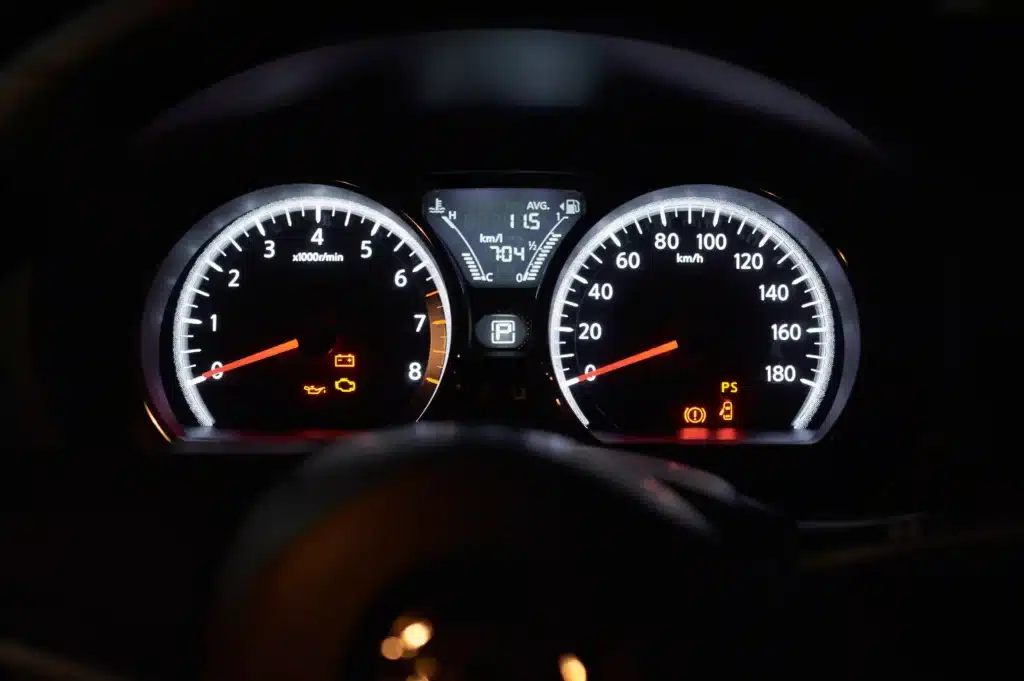
Some owners had weeks of notice: a check engine light, a knock or tick under the hood, a rough idle, hesitation on acceleration, an engine that cranked far too long before catching. Plenty of others had none of that. Their first symptom was the whole engine quitting, on the interstate, on an on ramp, once with a trailer attached, often at mileage low enough that nobody saw it coming.
The investigation escalated from there and the file finally closed with 411,315 vehicles under review and 1,066 reported failures. Ford announced the recall a few weeks before that file closed, which is why the sequence reads out of order.
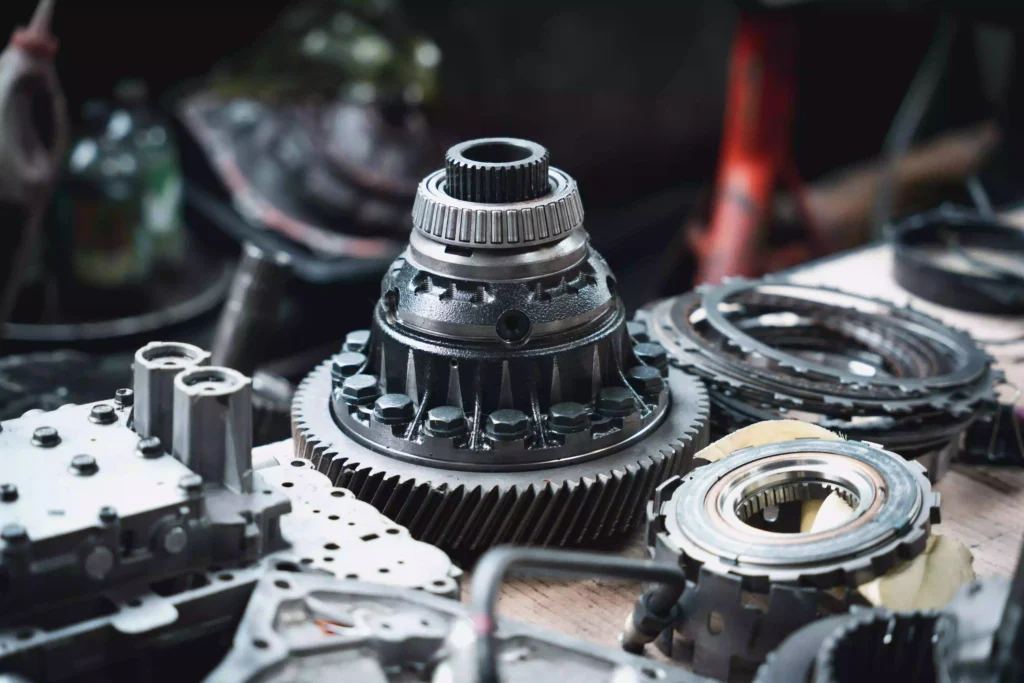
What Ford identified was a materials problem. Intake valves made from an alloy called Silchrome Lite could be left hard and brittle by the heat of grinding during manufacture, and a brittle valve can fracture in service. When one breaks, the loose piece drops into the cylinder and strikes the piston, which finishes the engine.
Ford moved to a different alloy, Silchrome 1, in October 2021. That switch is the reason the Ford EcoBoost recall reaches only vehicles built between May 1 and October 31 of that year rather than every vehicle carrying the engine.
What Ford Mailed EcoBoost Owners and What the Dealer Test Involves
Interim letters went out well before any repair existed. Owners were told their vehicle sat inside the recall and that a second letter would follow once dealers had a fix. That gap left a lot of people driving and waiting.
The repair procedure reached dealers in mid 2025, and remedy letters started going out a few weeks after that. The procedure is a test rather than a rebuild. A dealer counts the high RPM engine cycles your vehicle has run, adds cycles through a service routine if you have not driven it hard enough, and replaces the engine at no charge only if it fails to pass.
A vehicle that passes keeps the valves it was built with. Ford paired the test with a customer satisfaction program that covers an engine replacement out to 10 years or 150,000 miles, measured from the start of the original warranty. That coverage applies to vehicles that completed the inspection.
So the recall hands you a test result and a long backstop, not a new engine. Three directions follow, depending on where your vehicle sits today.
Take the Free EcoBoost Engine Test Even If a Claim Is on Your Mind
The first path is the recall itself, and it costs you nothing. Run your VIN through the NHTSA recall lookup to confirm whether the recall is open on your vehicle. If it is, book the inspection.
Call the Ford recall line at 1-866-436-7332 with the VIN in front of you. The valve recall comes up from the VIN on its own, so the one thing to name out loud is program 24N12, and ask the representative to confirm your vehicle is in it. Having that program acknowledged matters, because it is the coverage you lean on if a valve lets go after the test.
Ask for the repair order at the counter before you leave, every visit, even on the visits that end with the paperwork saying nothing was wrong. Service departments get much harder to reach weeks after the fact. Owners weighing a claim sometimes skip the recall to avoid muddying the water, which is backwards, since every documented visit strengthens the record.
Lean On the Extended Coverage If an EcoBoost Valve Breaks Later
The second path opens once your vehicle passes the test. If an intake valve fractures down the road, that extended coverage is what pays for the engine, and the clock runs from your original warranty start rather than from the day of the inspection. Keep the paperwork showing you completed the recall, because eligibility rests on it.
The campaign was written for the 2.7 EcoBoost and the 3.0L V6, so a Ford 2.0 EcoBoost warranty extension is not part of it, and no separate extended coverage program covers the 2.0L either. Owners of those engines hear that at the service counter and reasonably conclude they have nothing.
That conclusion is wrong. A documented coolant intrusion repair history on one of those engines can support a California claim on its own terms, and that route does not wait on anybody else.
A separate EcoBoost class action over coolant intrusion in the 1.5L, 1.6L and 2.0L engines is still being fought as of August 2026. It has not produced a final settlement, and there is no claim form for a 2.0L owner to fill out, so it is not something to sit and wait on.
File a California Lemon Law Claim When Ford EcoBoost Repairs Do Not Hold
The third path is for the vehicle that keeps coming back. California owners rely on the Song-Beverly Consumer Warranty Act, which turns on how serious the warranty defect is and how many attempts Ford has already had at it.
An engine capable of shutting down at seventy miles an hour does not need much argument on the first point. Our California lemon law guide covers how the second one gets counted. The part owners get wrong is that a visit ending with no fault found still counts, and passing the recall test settles nothing if the vehicle keeps returning.
The question owners ask most is where the EcoBoost defective engine lawsuit stands. There is nothing to join, because that case was dismissed in March 2026 on procedural grounds, without any ruling on whether the valves are defective, and it has not been refiled.
So that case is not a place to send your paperwork right now. That is a smaller loss than it sounds like.
Anyone who has been waiting on it for a payout is better off having their own repair history reviewed. A class action would have paid you a share of a group settlement sized by a formula you had no say in. An individual claim is built on your vehicle, your repair orders and your time without transportation.
If you are heading that direction, four things carry the most weight:
- Every repair order. That includes the no fault found visits, common with a valve failure that comes and goes.
- The purchase or lease contract and your warranty documents. These set the coverage dates a claim is measured against.
- A running count of days out of service. Replacement engines are not stocked on a shelf, and weeks spent waiting count separately from repair attempts.
- Receipts for anything you paid yourself. Towing, rentals, and any engine work billed to you rather than to Ford.
Missing paperwork is rarely fatal, since Ford and dealership records usually fill the gaps. Our Ford lemon law page covers what a claim against this manufacturer involves, and Lemon Law Help will read your repair orders and tell you plainly whether that history supports one.
Which of the three paths is yours depends on where your engine stands right now. If the inspection has not been done, path one is the only one that matters today, because the other two are both measured from that result.
If the test came back clean and a valve broke afterward, path two is the answer, and the paperwork showing you completed the recall is what unlocks it. If Ford has had the vehicle over and over and the engine still is not right, path three is the one still open to you.
The NHTSA Vehicle Safety Hotline at 1-888-327-4236 will confirm the recall status on your VIN by phone if you would rather not do it online. Whichever path you end up on, the file you build at the service counter is what carries you through it.
Reviewed by Roger Kirnos, Managing Attorney, California State Bar No. 283163.