
Here is the short version. A Bronco Sport or a Maverick that loses power in traffic after Ford has already repaired it for that is not an unlucky vehicle, and the gap between those two descriptions is worth real money to a California owner.
The stakes sit in what one stall does to the rest of your driving. A vehicle that can quit in the middle of an ordinary trip takes your confidence first and your resale value second.
Ford Bronco Sport and Maverick owners have been reporting exactly that for a while now, and it traces back to a 12-volt battery and the software meant to notice it failing. Most of them have already had the vehicle in for the repair by the time they go looking for an explanation.
What Happens in a Bronco Sport or Maverick When the Power Quits
The 12-volt battery in these vehicles does more than start the engine. Every time the auto stop/start system shuts the engine off at a light, that battery carries the whole electrical load by itself.
Ford traced the trouble to two problems that fed each other. The body and powertrain control software could not recognize a battery that was on its way out, so nothing on the dash gave the driver any warning, and a run of batteries built with faulty internal welds and cast-on straps wore down far faster than they were supposed to.
What owners feel is what Ford calls a loss of motive power. The engine cuts out at a stop or under light braking, the restart never comes, and in some cases the hazard lights and other accessories go dark with it. Ford counted more than 900 warranty reports on the power loss before it acted.
The affected population is Bronco Sport SUVs from the 2021 through 2024 model years and Maverick pickups from 2022 and 2023.
Ford Battery Repairs and the Stalls That Came After Them
Ford answered this in stages rather than all at once, and the stages matter to your own service history.
The Software Round That Did Not Hold
The first round of repairs, in the spring of 2024, was software. Dealers reprogrammed the two control modules so the vehicle could finally detect a battery going bad, and more than 450,000 vehicles were called in for it.
Owners kept stalling anyway. Federal safety regulators opened a review late that year after drivers whose vehicles had already been through that repair reported losing power in traffic again, and that review pushed Ford past a software patch.
The Battery Replacement and the Vehicles It Missed
The Ford Bronco Sport battery recall that came in January 2025 reached roughly 273,000 vehicles and went after the hardware, replacing the suspect battery with an absorbed glass mat unit built to hold up better. Two months after that, roughly 48,000 vehicles were called back a third time, because the earlier repair had been recorded against vehicles that never received it.
Three rounds inside a year, on one defect, is the detail owners remember. A Ford Bronco Sport recall letter in the mailbox tells you what Ford intended to fix, never whether the fix held in your vehicle. If you are unsure which repairs yours has actually had, typing your VIN into the federal recall lookup will show what is open and what was completed.
How Bronco Sport and Maverick Owners Drive After the First Stall
Nobody prepares you for this part, and it is the part that lasts. A driver who has coasted to a shoulder once starts making small permanent adjustments, and together they amount to a different relationship with the vehicle.
The left lane goes first. You stay right, where the shoulder is, because you have already worked out what happens if the engine quits three lanes away from the edge.
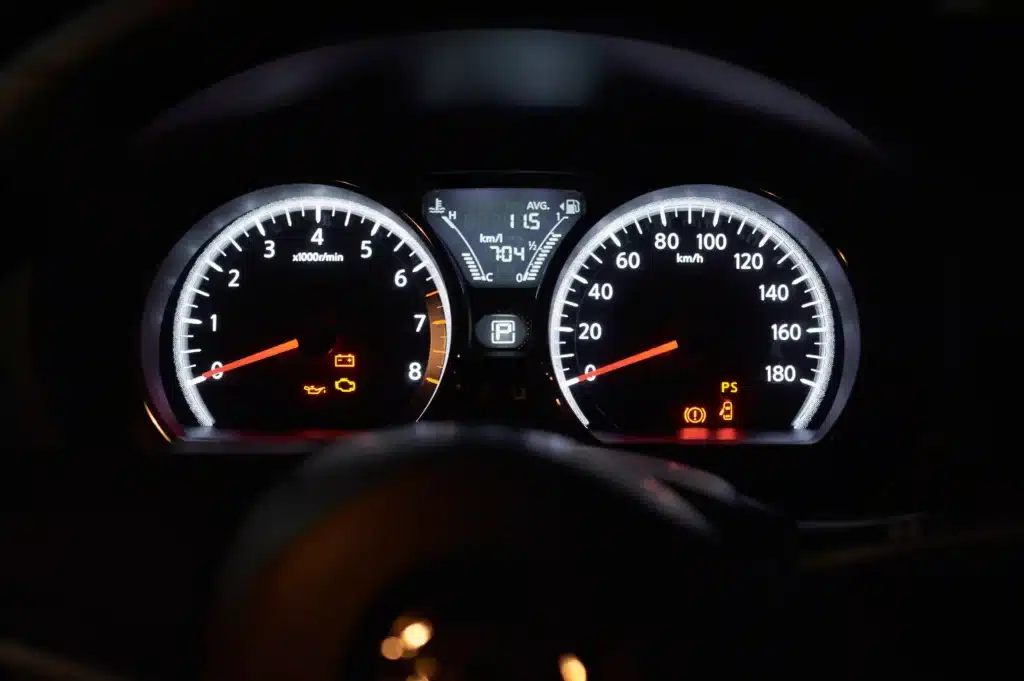
You check the tachometer at every red light to confirm the engine is still turning. You shut the auto stop/start off out of habit before you leave the driveway. Owners buy jump packs and keep them in the cargo area, which is a strange thing to need in a vehicle with four figures left on the loan.
Then there is the quiet from the passenger seat. Your family stops asking to take this one, you stop offering it for the long drive, and at some point you catch yourself explaining to someone why you would rather take their car.
Substantial Impairment Is Not a High Bar for a Stalling Vehicle
None of that is an overreaction. It is the standard inside the Song-Beverly Consumer Warranty Act, applied the way the statute means it to be applied. A defect does not have to injure anybody to count against a manufacturer, it has to take away enough of the vehicle you paid for.
Written on paper, a stall at a stoplight can look small. Measured against ordinary driving, an owner who routes around the freeway and no longer puts passengers in the vehicle is not getting what they paid for.
Safety is where this one stops being arguable. Losing propulsion in moving traffic, sometimes without hazard lights to warn the car behind you, is precisely the risk the recall notices were written to address, which means the manufacturer has already put the seriousness of it in writing.
None of the recall work erases the record either. A stalling history follows the vehicle into whatever the next buyer is willing to pay for it, long after the final battery went in.
What Ford Owes a Bronco Sport or Maverick That Keeps Quitting
The law does not ask you to explain why the battery failed. It asks how many chances Ford has already had at a vehicle that shuts off in traffic, and whether it still shuts off after the last of them.
Why Your Own Repair File Decides a Bronco Sport Claim
Recall visits get misread here. Taking the free repair never works against you, since each visit puts another dated entry in the service history attached to your VIN. Dealers frequently cannot make a battery fail on command either, and a visit written up as nothing found still belongs in that history.
Owners took the Ford Bronco Sport and Maverick battery lawsuit to federal court in early 2025, saying the repairs never cured the defect. No class has been approved and no money has been paid out, so there is nothing there to join. An individual California claim is judged on your own repair record rather than on an average share of some future fund.
What a Bronco Sport or Maverick Buyback Returns
Three endings are on the table here. Ford buys the vehicle back, Ford puts you in a different one, or you keep yours and Ford pays you the difference between the vehicle you bought and the one you got. Our California lemon law guide works out what each of those comes to once the driving you already did is accounted for, and our Ford lemon law page shows what a stalling defect looks like as a claim against this automaker.
Trusting the Vehicle Again, or Deciding You Never Will
Confidence comes back one of two ways. Either the vehicle strings together enough ordinary months that you quit watching the tachometer at red lights, or it never does, and eventually you stop waiting for it to.
Most owners know which of those they are living in long before they call anybody. Bronco Sport problems that return after a completed repair, and Maverick stalls that survive three trips to a service department, are not bad luck. They are a defect the manufacturer has been given its chances at.
Nobody sends you a bill for asking. Fees in a successful California claim come out of the manufacturer rather than the owner, which the statute spells out.
You are owed a vehicle you can merge into traffic without rehearsing what to do if it dies. So ask yourself the question that actually settles this one: would you put your family back in it tomorrow morning? Lemon Law Help hears that answer from Ford owners every week, and there is no charge for finding out what it is worth as a claim.
Reviewed by Roger Kirnos, Managing Attorney, California State Bar No. 283163.