
You took the truck in for the recall, the dealer updated the transmission software, and a week later it is shuddering at the same spot on the same on-ramp. Or the shift into second still lands with a clunk, or the SUV still hunts for a gear on every long grade. That distance between a completed recall and a vehicle that still drives wrong is where most GM 10-speed transmission problems actually live.
General Motors did recall these transmissions, and the reason behind it was serious. A worn control valve could let the rear wheels lock while the vehicle was moving.
What the recall never promised was a smooth-shifting vehicle afterward. Owners keep finding that out the hard way, usually on the first long grade after the software went on.
Inside the GM 10-Speed Transmission Recall and the Wheel Lock-Up Risk
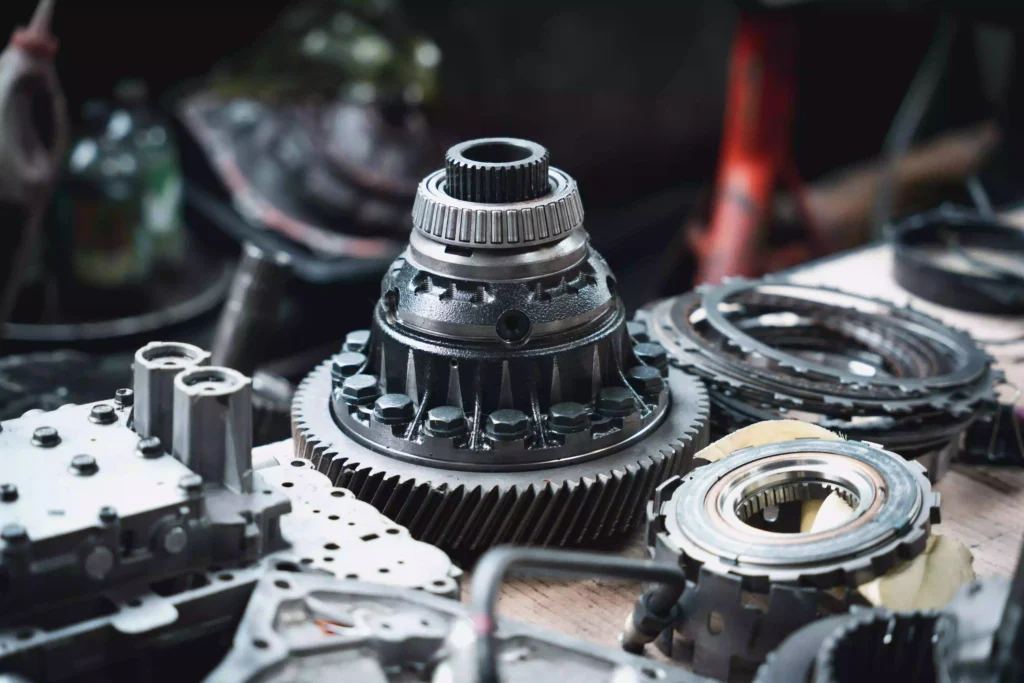
The mechanical story is short. The control valve inside the 10-speed automatic that Chevrolet, GMC and Cadillac all use wears down, hydraulic pressure drops, and certain valves begin moving faster than they should. On a downshift out of eighth gear, that can hand the rear wheels a momentary lock, measured in well under a second.
Well under a second sounds like nothing until you picture it at freeway speed with a trailer behind you. That is the crash risk General Motors acted on.
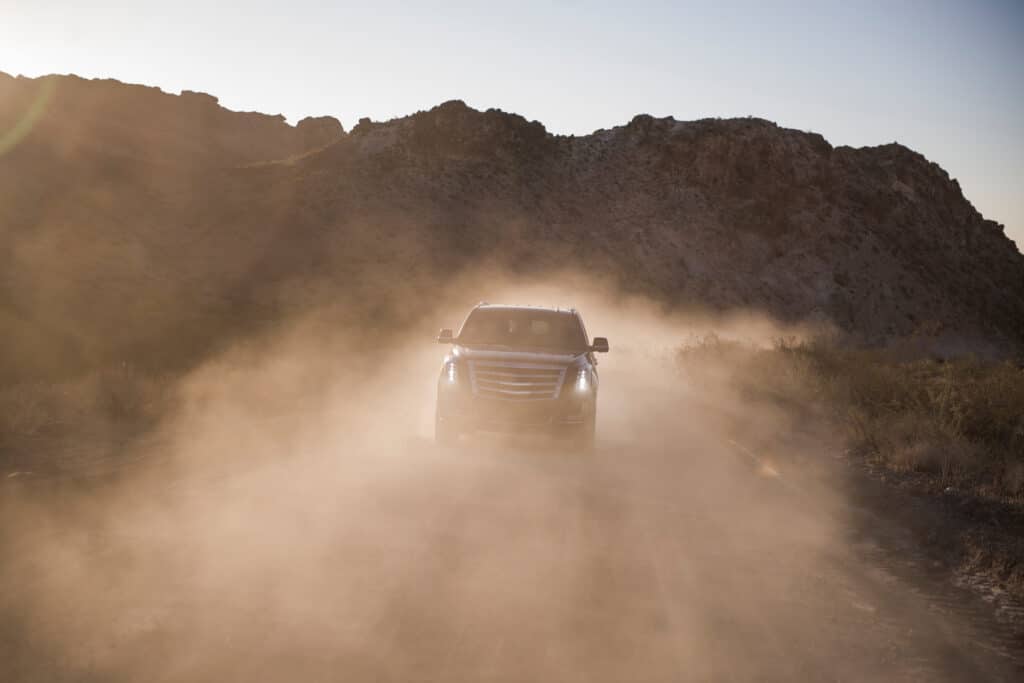
The first campaign landed in late 2024 and covered roughly half a million diesel vehicles: the Chevrolet Silverado and GMC Sierra pickups, and the full-size Tahoe, Suburban, Yukon and Escalade. Every vehicle in that campaign had a diesel engine under the hood, so a gasoline Tahoe was never included in it. A separate action the following year reached Cadillac sedans and the Camaro, which use the same unit behind gasoline engines.
General Motors then recalled roughly 44,000 more full-size SUVs over the same rear wheel lock-up risk. That 2026 action was joined by a smaller campaign covering roughly a thousand Silverado and Sierra pickups that had been given the wrong version of the software during an earlier repair. Across the campaigns, the vehicles at issue are largely from the 2019 through 2022 model years.
There is also a piece that predates all of it. Before any safety recall existed, GM was already paying for control valve repairs under an extended warranty program, with eligibility decided by VIN rather than by model name. Owners with the same failure were told different things, which is why your recall status and your extended coverage status are two separate questions.
The Repair Was Software, and Software Has Limits
The GM 10-speed transmission fix at the dealership is a reflash, not a rebuild. New transmission control module software watches the valve for wear and can flag it roughly 10,000 miles before a lock-up could occur. When it does, it caps the transmission in fifth gear so the wheels cannot lock.
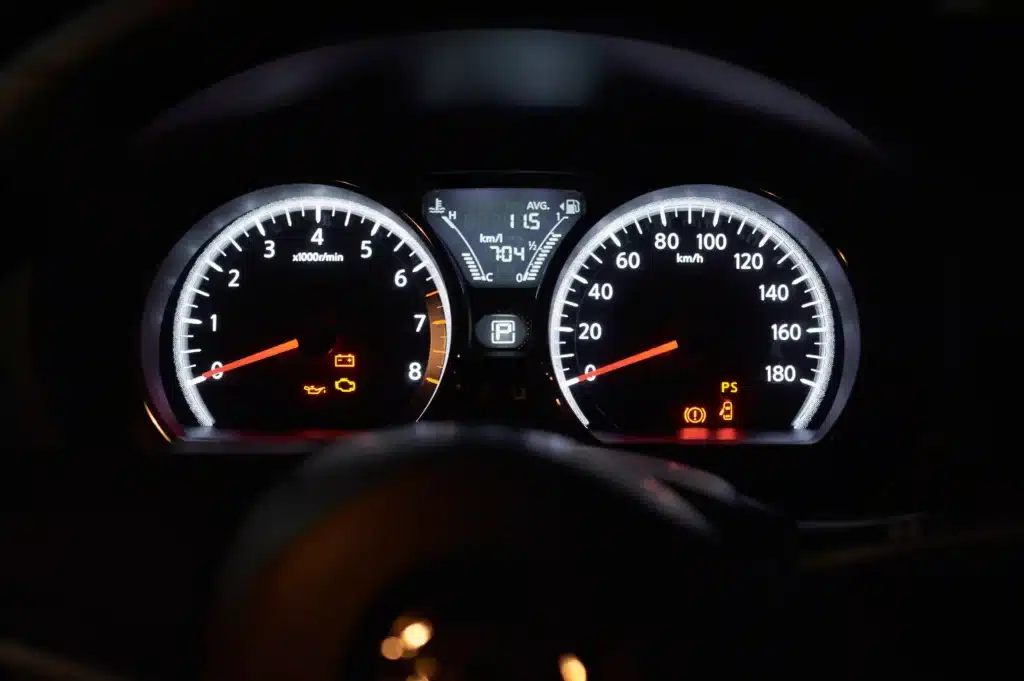
That is a safety net, and it does the job it was designed to do. It is also why owners drive away with a service engine light, a reduced propulsion message on the cluster and a vehicle that will not shift past fifth.
One owner told federal regulators that with the transmission locked out of its top gears, fuel economy dropped about 30 percent while towing a travel trailer and about 17 percent on the highway. Eight months later there was still no permanent repair on offer.
Now notice what the software does not touch. It does not replace the worn control valve, and it does not undo damage a lock-up already caused. GM later began shipping dealers a redesigned valve body, but a vehicle that received only the reflash still has its original hardware inside.
Chevy Silverado Transmission Problems That Outlast the Fix
The Silverado sits at the center of the complaint record, and Sierra owners write up almost the same list. Both trucks were in the first recall, both were pulled back again over the software mix-up, and both appear over and over in filings to the National Highway Traffic Safety Administration.
The complaints that continue after a recall visit are consistent. Shudder at light throttle, a hard downshift coming to a stop, hesitation pulling into traffic, and gear hunting on any sustained climb.
One driver described clunking between 35 and 40 miles per hour, a sensor replacement and a software reset that did not hold, then the rear tires locking while exiting a freeway with a trailer, followed by limp mode. Another reported a Cadillac sedan losing power at highway speed with no acceleration past 10 miles per hour until the dealer reflashed the module.
The pattern holds on the SUV side too. Tahoe and Suburban owners report the same script, and what the Yukon does on a long grade reads the same way as the Escalade complaints. One unit sits under all of those nameplates, so the badge on the tailgate tells you very little about what you are dealing with.
A Completed Recall Does Not Close the Book on a Bad Transmission
The trouble owners bring back after the repair is usually not the one the recall was written to solve. A safety recall is narrow by design. It answers one specific failure mode, and once the remedy is installed the campaign is closed on the manufacturer side, whatever your vehicle is doing on Monday morning.
Your warranty is not that narrow. It covers the vehicle performing the way it was sold to perform, which includes shifting normally, and every visit you make on that complaint becomes part of a written record.
A recall letter in your mailbox is evidence, not a release. So is a service visit that closed with nothing found, which happens often with a fault that only shows up warm, loaded or at one particular speed.
As of August 2026, a lawsuit over these transmissions is pending in federal court in Northern California. There is no settlement and no claims process an owner can join, and an individual California claim does not have to wait on any of it.
California Lemon Law Still Applies After a Completed Recall
California owners are covered by the Song-Beverly Consumer Warranty Act. Its protection turns on whether a warranted defect does real harm to the way a truck drives, to what it will resell for or to its safety, and on whether General Motors has already exhausted a reasonable run of repair attempts.
A transmission that can drop itself into fifth gear, or that shudders and hesitates in daily traffic, reaches that standard without much argument. What counts as reasonable is weighed against how dangerous the defect is, not against a fixed number of visits.
Once a truck clears that bar, Song-Beverly narrows General Motors down to two answers, buy the truck back or hand over a replacement. A repurchase is built from what you paid, reduced by an offset for the mileage showing on the truck before the shudder started, and it can also cover related costs such as towing and rental charges.
Nobody can quote you a figure in advance, because it turns on your purchase price and your repair history. The law also puts a prevailing owner’s legal fees on the manufacturer, which is the reason these claims are handled on contingency rather than by the hour.
Our attorneys handle California claims on Chevrolet and GMC vehicles, and the California lemon law guide walks through how repair attempts are counted before you call anyone.
If the Shifting Never Got Better, Start Here
Four things are worth doing in the weeks after a recall visit that did not solve anything.
- Hold on to the paperwork from the recall visit itself. It is the one document that dates when the new software went on, and every complaint after that date gets measured against it.
- Write down what the vehicle actually did. The date, the road, the speed, the gear it was in and any warning message on the cluster are the details that matter later.
- Go back when it happens again, and ask whether the control valve itself was inspected or replaced or whether only the software was updated. That answer tells you whether the hardware in your vehicle was ever addressed.
- Make the call with that recall date in hand. Lemon Law Help starts from the day the software went on and works forward through everything the vehicle has done since.
One last thing is worth doing yourself. Your VIN, not the model name, decides whether your vehicle was included, so run it through the NHTSA recall search and ask the dealer separately about extended coverage, because those two lists are not the same.
Reviewed by Roger Kirnos, Managing Attorney, California State Bar No. 283163.