
The envelope from Honda arrives with a safety recall notice inside, and the language in it is careful. It says the steering gearbox on your vehicle can make the wheel harder to turn, that the added effort raises the risk of a crash, and that a dealer will correct it at no charge.
What the notice does not describe is the part you already know. Honda calls the condition sticky steering, and the letter is the company putting in writing that the half second when the wheel refuses you was never your imagination.
So the question worth asking is not whether it happened. It is what the Honda EPS recall corrects inside that gearbox, what it leaves exactly as it was, and what you can do if the wheel catches again after the dealer has finished.
What the Catch Feels Like, and the Drives That Bring It Out
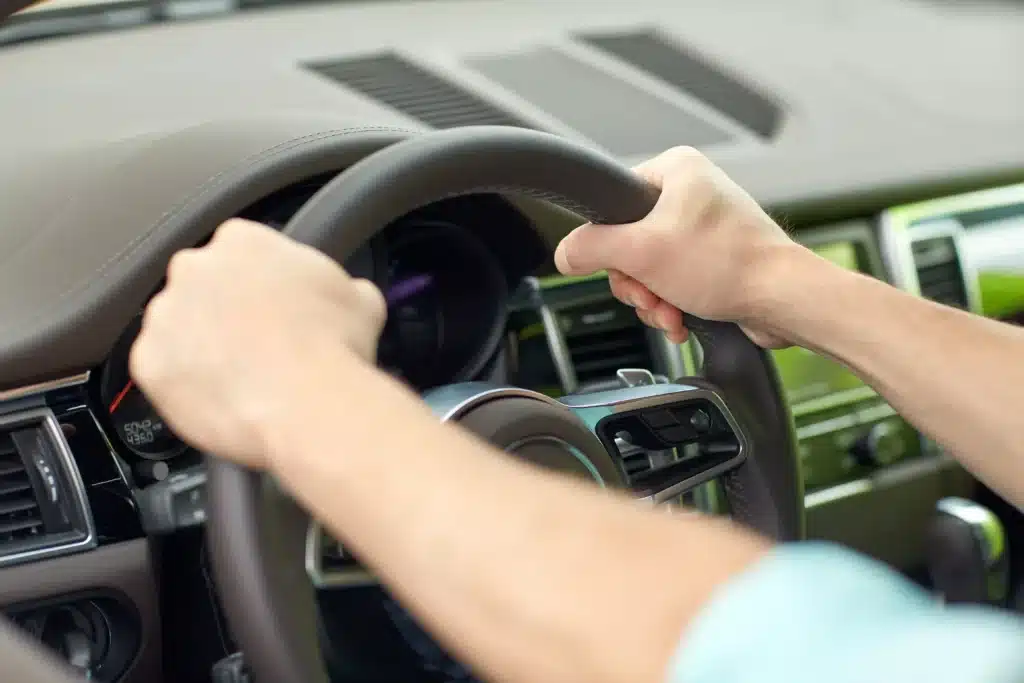
The accounts land on the same half second every time. You are partway into a lane change on the freeway when the wheel stops cooperating, it feels caught, and you push harder to make it go. Then it releases all at once and the car swings further into the lane than you wanted.
Underneath that is a sudden jump in the effort it takes to turn, felt most often above 40 miles per hour, coming out of a gentle curve or in the small corrections that keep a car centered in its lane.
The wheel resists, you add force, and the extra force you added is still there when the resistance disappears. That is why so many reports end the same way, with the vehicle darting toward the next lane and the driver correcting hard in the other direction.
The conditions matter more than most owners expect. Owner reports cluster on warm days, often in the afternoon and often well into a long highway stretch rather than in the first few minutes of a drive. Cold morning commutes can feel completely normal in the same vehicle.
Mileage does not protect you either. Plenty of owners first felt the wheel catch in a Civic with only a few thousand miles on the odometer, which is part of why the complaints were taken seriously so quickly.
Inside the Honda EPS Gearbox, Where the Stickiness Begins
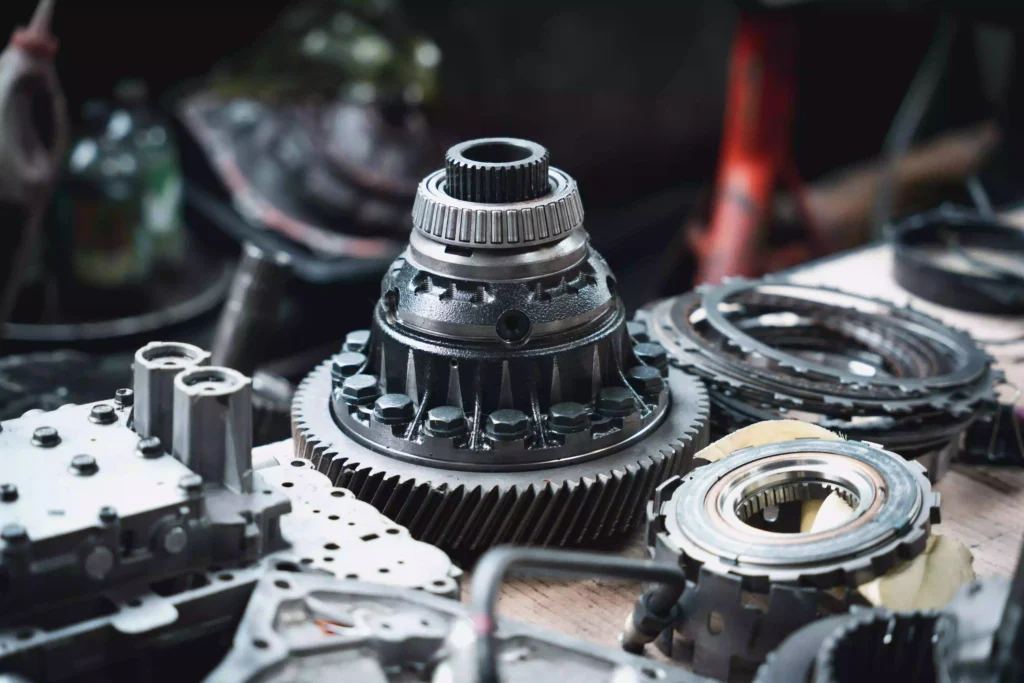
The notice names the part without saying what goes on inside it. Your steering assist comes from an electric power steering system rather than a hydraulic pump, and within that housing a worm gear turns a worm wheel. A film of grease between the two is what keeps the contact smooth.
Honda determined that the worm wheel was manufactured improperly and can swell when it sits in heat and moisture. A swollen worm wheel squeezes the grease film thinner, which is exactly the condition that removes the cushion between two metal surfaces.
A second manufacturing issue compounds it. The spring that sets preload on the worm gear was set too high, which pressed the parts together harder than intended and raised the sliding force between them.
Thin grease and high sliding force add up to friction, and friction is what you feel through the wheel. It also explains the heat pattern, because swelling and grease behavior both track with temperature.
Which Hondas the Steering Recall Reached, and the Repair Dealers Perform
The Honda steering recall was announced in the fall of 2024, and the notices went into the mail that November. Honda recalled roughly 1.7 million cars and SUVs under it, which puts it among the largest steering campaigns the company has run.
The population covers Honda Civic sedans and hatchbacks, the Civic Type R, the hybrid Civic versions, the Honda CR-V and its hybrid and fuel cell versions, the Honda HR-V, and the Acura Integra and Integra Type S. Model years run from 2022 through 2025 depending on the nameplate, which is why a VIN check beats a year-by-year guess.
The repair itself is short. A dealer replaces the worm gear spring with an improved part and redistributes or adds grease inside the gearbox, at no cost to you.
Set that repair against the mechanism and the gap shows itself. It corrects the preload and restores the grease film, and it leaves the swollen worm wheel where it is. The letter promises a correction, not a new gearbox, and that is why some owners are back in the service lane a year later.
Building Your Own Record of a Fault That Comes and Goes
The most useful thing you can do in the week after the wheel catches is create a record that a stranger could read later. Start with the VIN, entered in full at the NHTSA recall lookup or handed to a Honda dealer to run, because these populations are drawn from build records and a model year on its own settles nothing.
The service desk supplies the next piece. Ask for the printed repair order before you leave, above all on the visit where the technician cannot make the wheel catch on demand, because that day is still the day your complaint entered Honda’s records.
The last piece is yours alone, and with this fault it carries unusual weight. Note how warm the day was, how long you had been driving and how fast you were going when the wheel grabbed. A condition that answers to heat and highway miles is shown by the pattern across several drives rather than by any single one of them.
Owners Who Still Feel the Stick After the Honda Recall Repair
The recall closed the federal investigation, but it did not close the subject for everyone. Some owners report the sticky feel returning months after the work was done, including cases where the dealer added grease and replaced nothing at all.
CR-V owners have been the most persistent voices in that group, and what they report after the work is what they reported before it. The car behaves for a while, then a warm afternoon on the interstate brings it back.
A consolidated Honda steering defect lawsuit filed on behalf of owners is still moving through federal court in California, and the recall did not end it. For an individual owner that case is background, not a plan. A class action, if it ever resolves, tends to return a modest share to each member and can quietly limit what you are able to pursue on your own.
Your own warranty rights sit in a different place entirely, and completing the recall repair does not weaken them. Every visit you make becomes part of a documented history that belongs to your vehicle.
California Lemon Law Rights When Honda Steering Repairs Keep Failing
Lemon law is the everyday name for the Song-Beverly Consumer Warranty Act, and this California statute reaches a warranty defect that costs a vehicle its safety on the road or its value on paper, after the manufacturer has run out of reasonable attempts to correct it.
A steering system that grabs and then lets go at freeway speed is a safety failure on any honest reading, and safety is the part of that test this recall was written around. You do not need a crash, and you do not need to have paid out of pocket.
The write-up saying the technician could not make the wheel catch is worth more than it looks. A fault that waits for a warm afternoon at highway speed is precisely the fault a service bay cannot reproduce, and Honda recorded the visit anyway. Weeks spent waiting on parts during a campaign this size belong on the same record.
If your repair history is starting to look like a pattern rather than a bad week, our Honda lemon law page explains how owners in your position get represented, and the California lemon law guide spells out the money side of a buyback. Nothing is billed to you by the hour while you find out where you stand, because Song-Beverly makes the manufacturer pay the legal fees of an owner who wins.
Strip away the campaign and the paperwork and what is left is the wheel in your hands. It is the one control on a car you are supposed to be able to lean on without thinking about it, and a grip that comes and goes with the weather is not that.
If yours still cannot be trusted through a warm afternoon, Lemon Law Help can look at what your dealer visits have added up to and give you an honest read on it. You should be able to hold the wheel and think about the road.
Reviewed by Roger Kirnos, Managing Attorney, California State Bar No. 283163.