
The click is the part owners remember. Not a crank, not a slow stumble, just a fast run of clicks under the hood and a dashboard that lights up and quits at the same moment.
It is a weekday, the car is parked where you left it, and nothing about the night before suggested anything was coming. Somewhere in the garage sits the jump box you bought after the second time this happened.
By the time the engine finally catches, the morning is gone, and you are telling yourself what you told yourself last time, that the battery must have been a bad one.
If you drive a Honda CR-V or an Accord and you have had that conversation with yourself more than once, this is written for you. The battery is the part that keeps dying. It is probably not the part that is broken.
Why a New Battery Does Not Fix a Honda CR-V for Long
A parasitic draw is current that keeps flowing after you walk away from the car. Something that should have powered all the way down stays partly awake and pulls from the battery through the night, whether you drive in the morning or not.
A class action filed against Honda alleges exactly that in CR-V models from 2017 through 2019 and Accord models from 2016 through 2019. The allegation is not that the batteries were cheap. It is that the vehicle keeps drinking from them after the key is out of it.
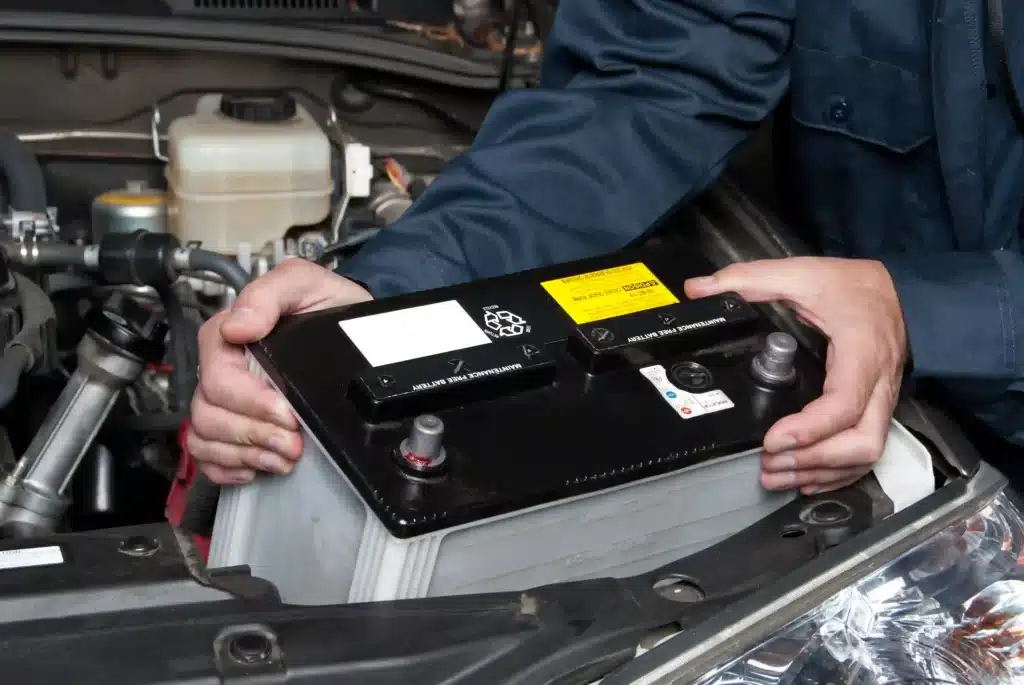
That is why a replacement buys you a season and not much more. A fresh battery holds more charge, so it survives the nightly draw for a while longer, and then it arrives exactly where the last one did.
The service counter is where most owners lose the thread. A battery tested on a Tuesday afternoon, after a drive, on a car that started fine that morning, tests healthy, because the draw does its work while the vehicle sits still.
Ask for a parasitic draw test instead, run after the car has been shut down long enough for the modules to fall asleep, and ask for the measured figure to go on the repair order. A number written down is much harder to wave away later than your memory of what a technician told you.
What the Brake Hold Message on a CR-V Is Really Reporting
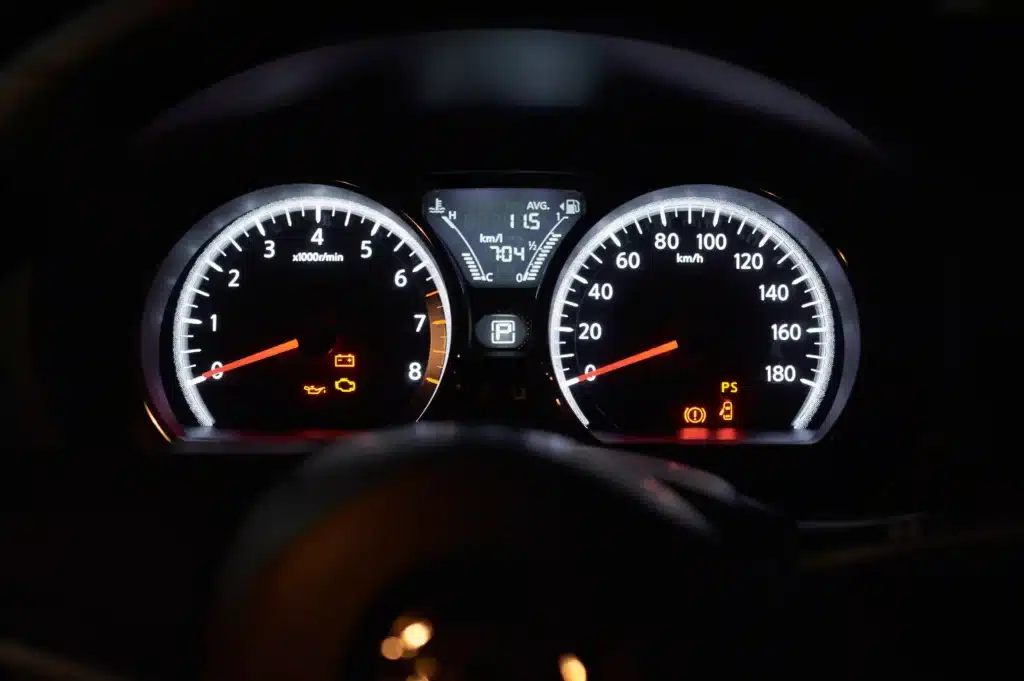
Plenty of CR-V drivers meet this defect through the dashboard rather than through a car that will not start. The brake hold indicator drops out, a message about the brake hold system appears, and a charging or low battery warning often shows up alongside it.
Nothing has broken inside the brake hold hardware. Electric parking brake and brake hold functions want steady voltage before they will arm, and when system voltage sags they report a fault rather than operate on a weak supply.
This is why so many people end up searching Honda CR-V brake hold system problem low battery instead of searching for a drain. The car told them about brakes, so they went looking for brakes.
Watch what the warnings do rather than what they say. Messages that disappear after a jump start or a long drive and return within a few days are voltage complaints, and they are pointing at the electrical system, not at the part named on the screen.
The Repair Loop Honda CR-V and Accord Owners Keep Landing In
The loop runs the same way for almost everybody. Jump it, drive it to the dealer, buy a battery, feel settled for two or three months, then stand in a parking lot at night listening to the clicks again.
Owner forums tell the same story in almost the same words. Some call it Honda CRV battery drain and some call it Honda CRV battery problems, and a thread written years ago about an older CR-V reads almost interchangeably with one posted last month.
Honda has answered this through dealer software rather than through a recall. Service bulletins have sent CR-Vs in for reprogramming of the stability control system, which was found to keep drawing power after shutdown, and of the powertrain computer, which begins a fuel system leak check after the car has sat and does not reliably return to sleep afterward.
Honda has also gathered batteries back out of CR-Vs for study rather than treating the pattern as a campaign owed to owners. A software update handed over at the service counter is not a recall, which is why no notice about any of this ever reached your mailbox.
The loop costs more than batteries. Every one of those visits was an attempt to repair a defect, and most owners never treat them that way, because swapping a battery does not feel like a repair attempt until somebody points out that it is one.
What Repeated Dead Batteries Do to Your Trust in Your Honda
There comes a point where owners stop calling this an annoyance and start arranging their lives around it. They park facing out and they stop taking this car to the airport.
They quietly hand over the keys to the other vehicle whenever the trip actually matters. The jump box moves from the cargo area to the back seat, where it can be reached without unloading anything.
The Accord version of the complaint runs harder than inconvenience. The lawsuit alleges the same draw leads to stalling and to failures of headlights, hazard lights and alternators, and owners have reported vehicles shutting down more than once inside a few weeks, including at highway speed.
A car that will not start in your driveway costs you a morning. A car that shuts down while you are moving belongs in another category entirely, and California law treats the two very differently.
It is worth running your own vehicle through the federal recall lookup before the next service visit. The later Accords in this range do carry a recall over a battery sensor case that can let water in and short out, repaired free at the dealer, and it is separate from the drain even though it is easy to confuse with it.
Where California Law Lands on a CR-V or Accord That Keeps Dying
Trust is what this defect actually takes, and trust is what a manufacturer warranted when it sold you the car. A vehicle earns the right to be counted on by starting every single time, and it gives that right back the third morning you stand in a driveway listening to clicks.
California turns that into a test rather than leaving it as a feeling. The Song-Beverly Consumer Warranty Act sits behind what everybody calls the California lemon law, and a claim under it runs on your vehicle and your paperwork alone.
A claim under it turns on whether a defect covered by the factory warranty takes serious bites out of how usable, how valuable or how safe your car is, and on whether Honda has had a fair run of attempts to cure it.
A car that strands you every few months clearly costs you the use and the value you paid for. One that dies in moving traffic reaches the safety question, and safety complaints are held to a shorter run of attempts before the standard is met.
Trust gets measured on paper, in the number of times Honda has swung at this and missed. Song-Beverly counts every dealer visit where a battery went into the car while the draw stayed in it as one of those swings, and the reprogramming visits that sent you home confident for a season count the same way.
When a claim lands, Honda buys the car back near the price written on your contract, with a deduction based on the miles that went by before the first symptom, or hands you a replacement instead. Towing and rental costs are recoverable along the way. Our California lemon law guide works through how that number gets calculated.
California lemon law claims are strongest on newer Hondas still under factory warranty, a window that sits ahead of the CR-V and Accord years named in the lawsuit.
How to Build a File Honda Cannot Argue With
Nothing outside your own file is going to hand that trust back. No settlement has come out of the class action as of August 2026, no owner has been paid through it, and no recall was ever issued over the drain, so there is nothing to sign up for and nothing worth waiting on. Your own warranty and lemon law rights run on deadlines of their own, and those keep moving whether the lawsuit does or not.
So build the file yourself, whatever year your Honda is. Start a log on your phone with the date of every failed start, every jump, every battery bought and every visit, and put the mileage beside each entry.
A log like that, paired with a measured draw figure written on a repair order, is what every route out of this rests on. The route may turn out to be a warranty claim, a goodwill request to Honda, or a decision to sell the car with your eyes open.
Take the log to the dealer and ask them to open a case with Honda corporate customer service, because a written run of dead mornings is what a goodwill decision turns on. Keep the battery receipts and any tow bills in the same folder.
If Honda says no, those receipts are small claims material in California, and the log is what makes them add up when you file. A filing fee and one afternoon is the whole cost of trying.
Before you accept anything Honda offers, have Lemon Law Help put the statutory buyback math next to it, since a goodwill payment and a buyback are rarely the same number.
Whichever of those you end up using, it runs on the same file, so open your phone tonight and write down every dead morning you can still put a date to. Those are the mornings Honda has to answer for, and they are the ones that will still be there in six months when you need them.
Reviewed by Roger Kirnos, Managing Attorney, California State Bar No. 283163.