
Two sedans, two badges, one gas tank. A Hyundai Sonata and a Kia K5 are sold by different dealers under different logos, and the people driving them rarely think of themselves as owning related cars.
They do. Hyundai and Kia recalled 335,590 of these sedans between them because the fuel tank can swell, press into hot exhaust parts and melt until it leaks.
Two envelopes went to two different mailboxes describing the same part failing the same way. If you got one of them, the other one explains it.
What Makes the Sonata and K5 Fuel Tank Swell
The failing piece is a check valve in the purge control system, the plumbing that carries fuel vapor from the charcoal canister into the engine. It is built to let vapor travel one direction. When it wears, pressurized air pushes the other way and builds inside the tank.
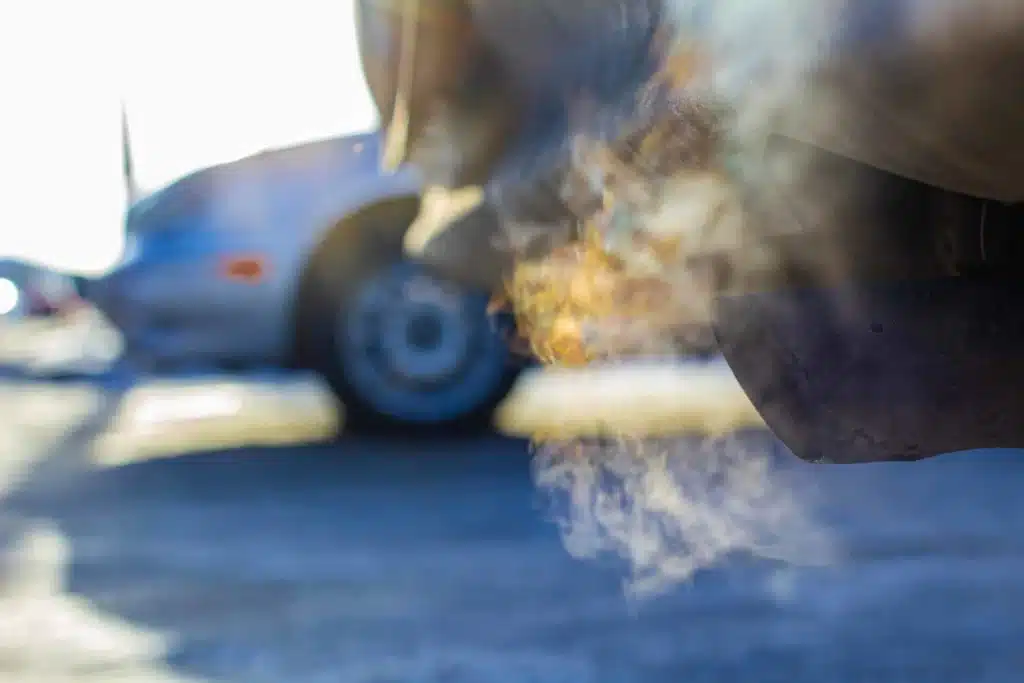
A fuel tank under pressure does not hold the shape it was molded in. It expands toward the exhaust, where prolonged contact with a hot pipe softens the plastic until the tank deforms and lets fuel escape.
Fuel on a hot exhaust is a fire risk in a car sitting in a garage as much as one on the freeway, which is why both companies filed safety recalls instead of handling this quietly.
The Kia side reaches 250,547 K5 sedans from model years 2021 to 2024. The Hyundai side reaches 85,043 Sonatas from 2020 to 2023. Every one of them carries the 1.6 liter turbocharged engine.
Why a Shared Parts List Puts Two Brands in the Same Recall
Hyundai and Kia are not the rivals their separate showrooms suggest. They sit inside one corporate group and share engineering, suppliers and long stretches of the same parts list.
The Sonata and the K5 are that arrangement at its most literal. They share an engine family and the emissions plumbing bolted to it, down to one check valve sitting in the same position and doing the same job in both cars.
So a fault in that one component was never going to stay inside one brand. The part shipped wherever the parts list sent it, and the badge on the trunk had no vote.
That is the part worth carrying away from the Kia gas tank recall and the Hyundai action filed beside it. Neither is really a Kia problem or a Hyundai problem, and reading them separately is how an owner ends up believing their car is a one off.
Two notices went out under two brand names for one manufacturing defect. The Hyundai Kia fuel tank recall is one engineering failure wearing two names, and between the two sets of owners nothing changed except the letterhead.
The Free Repair Each Brand Is Offering, and When It Started
Hyundai got here first without meaning to. In late 2024 it ran an emissions related service campaign that had dealers inspect the valve and the tank and reprogram the engine software, and that work turned out to prevent the swelling.
Kia came at it from the other side, through reports of K5 sedans leaking fuel near the exhaust pipe. By November 2025 both companies had traced the leaks to the same worn valve and filed safety recalls.
The repair costs nothing under either badge. Kia replaces the valve, then inspects the tank and swaps it out if it has deformed. The Hyundai fuel tank recall runs the same course and carries one extra step, an inspection and update of the engine control unit software, which is the same reprogramming that quietly spared the cars that got it early.
Kia mailed its letters in January 2026 and Hyundai followed in March, so under either badge this is work you can book now. Whether a particular car is covered gets settled by the federal recall lookup, which reads a vehicle identification number and answers for that car, not the model.
Owners who did not wait have one more option. Both manufacturers reimburse qualifying fuel system repairs paid out of pocket before the recalls existed, and the invoice you kept is most of that request.
What to Watch on a Sonata or K5 After the Tank Work
Most cars go in for the Kia K5 fuel tank recall or its Hyundai counterpart, come back with a fresh valve and a sound tank, and never raise the subject again. This section is for the ones that do not.
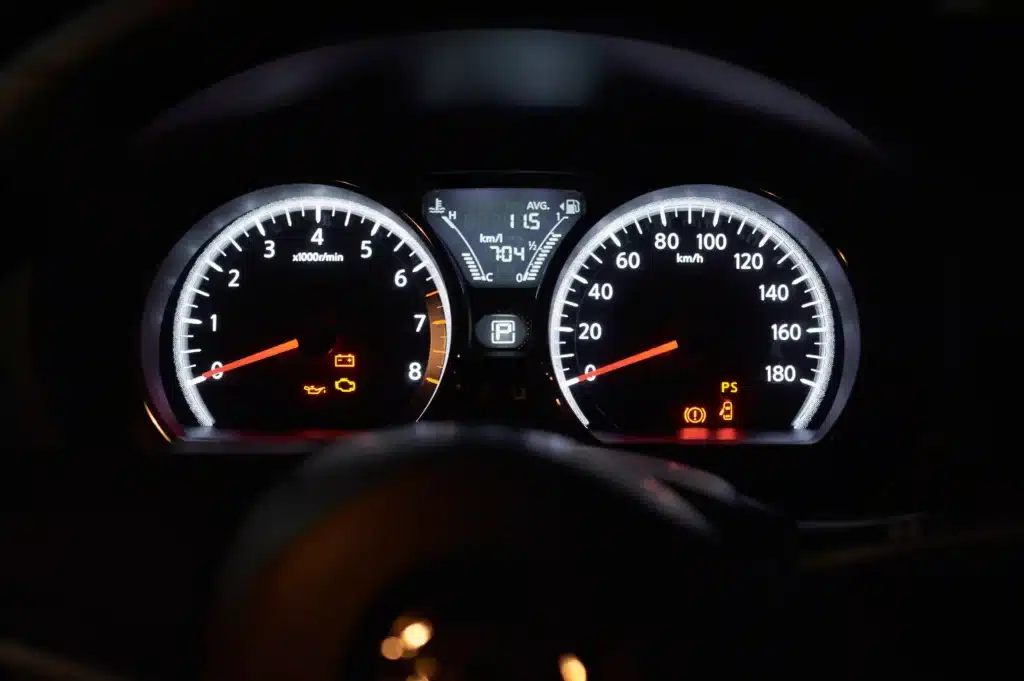
The pattern to watch for is the return of whatever sent the car in. A fuel smell that survives the repair, a popping sound from behind the rear seat weeks later, a check engine light nobody can account for, or a car that will not start. Those signals produced these recalls, so their return after the remedy is worth reporting immediately.
Then there is the wait. A tank found deformed on inspection has to be replaced, and on a recall covering more than three hundred thousand cars, replacement tanks are not always on a shelf.
Days parked at a service department waiting on a tank count for something in California, and they are tallied cumulatively rather than in one unbroken stretch. Almost nobody adds them up.
One Statute Covers Both Sedans and Both Sets of Owners
The Song-Beverly Consumer Warranty Act draws no distinction between the two logos. It weighs the damage a warranty defect does to a car’s value, its usefulness and its safety, and whether enough repair attempts have gone by with the problem still there.
A tank that can soften against an exhaust pipe and let fuel out settles the safety side of that question before anyone argues it. What gets argued is the repair record, which is the reason to build one while the recall runs.
Hold on to the notice that arrived in the mail. Hold on to the paperwork from every service visit, including the appointment that ended with the tank inspected and left where it was, and write down each date the car was not in your driveway.
Owners work against themselves in two predictable ways. They assume completing the recall shuts the door on a claim, when it adds another dated repair attempt to the file, and they treat the notice itself as the record when the repair orders underneath it are what carries weight.
A claim that goes the owner’s way ends with the car repurchased for what was paid into it, minus a credit for the untroubled miles driven first, or swapped for a replacement. Our California lemon law guide separates the purchase price from the mileage credit and prices both.
This firm handles California lemon law only, for cars purchased or leased through a California licensed dealership. More on each brand sits on our Hyundai page and our Kia page.
If the fuel problem has already sent your Sonata or K5 back to a dealer twice, nothing in that history will be new to Lemon Law Help. Two badges filing one recall on one part is the ordinary shape of this work rather than the exception.
The Badge on Your Sonata or K5 Never Decided Any of This
The check valve that started this had no idea which showroom the car around it came from. It failed on a Sonata and on a K5 in the same place and for the same reason.
California answers in kind. The rights attached to a defective Sonata are the rights attached to a defective K5, and nothing in the statute shifts based on what is written across the trunk.
If the repair holds, the letter goes in a drawer. If it does not, the badge you happened to buy is the least important fact about your car.
Reviewed by Roger Kirnos, Managing Attorney, California State Bar No. 283163.