
Nissan built the Maxima around a transmission that never shifts, and for a while that was the selling point. It was a large comfortable sedan with a smooth V6 and none of the steps a normal automatic makes, and the continuously variable transmission inside it was chosen for exactly the quiet the car was sold on.
Owners now call that same unit unpredictable. Complaints written about the earliest CVT Maximas read like complaints written about cars sold a decade later, and they arrive the same way each time: nothing snaps, no light comes on, and a sedan bought for comfort stops being a car you can predict.
Hard Throttle and Long Climbs Are Where the Maxima CVT Slips
You find a gap in traffic, put your foot down, and the engine answers while the car does not. The tachometer climbs, the noise rises, and for a second or two the Maxima keeps rolling at the speed it was already doing. Then it catches, sometimes with a jolt hard enough to feel through the seat.
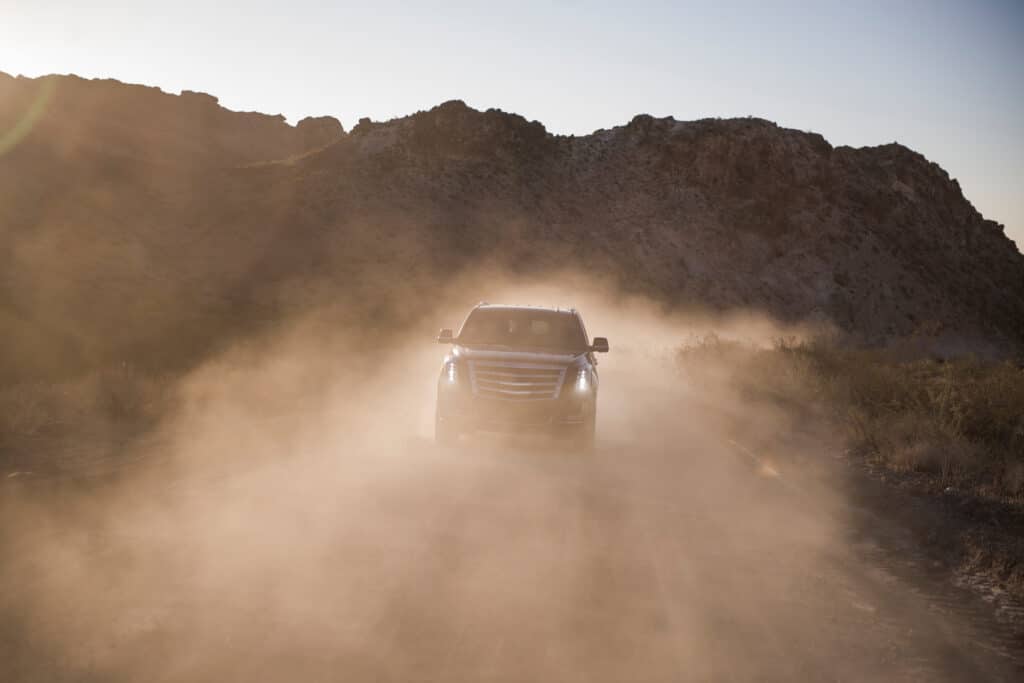
The same weakness turns up on a long climb, where the demand lasts minutes instead of seconds. Hold a steady throttle up the Grapevine or the Cajon Pass and engine speed drifts up while road speed drifts down, with a whine underneath that was not there on flat ground. Owners on grades report the car pulling its own power back and holding a low speed until everything cools.
Inside the case, a metal belt is squeezed between two cone shaped pulleys under hydraulic pressure. Hard throttle from a low speed and a sustained climb are the two heaviest demands you can make of that arrangement. When clamping pressure, fluid condition, or the belt and pulley surfaces have degraded, the belt slips rather than holds, which is why engine speed and road speed stop agreeing with each other.
Owners put the result in traffic terms rather than mechanical ones. Pulling into a gap that was there when you committed and gone by the time the car finally moved is the version that shows up over and over, usually with no warning light on the dash to back the story up. The trim on the window sticker makes no difference to it, and neither the leather nor the three hundred horsepower V6 changes what happens on an on ramp.
Sustained load also heats the fluid, and heat is the thing a CVT protects itself from, so the car cools down on the drive to the dealer. A 2013 Nissan Maxima transmission that quit pulling on a grade at noon is usually flawless at nine the next morning, and the visit ends with a technician writing that the fault could not be reproduced.
Stop and Go Traffic and the Nissan Maxima Transmission Shudder
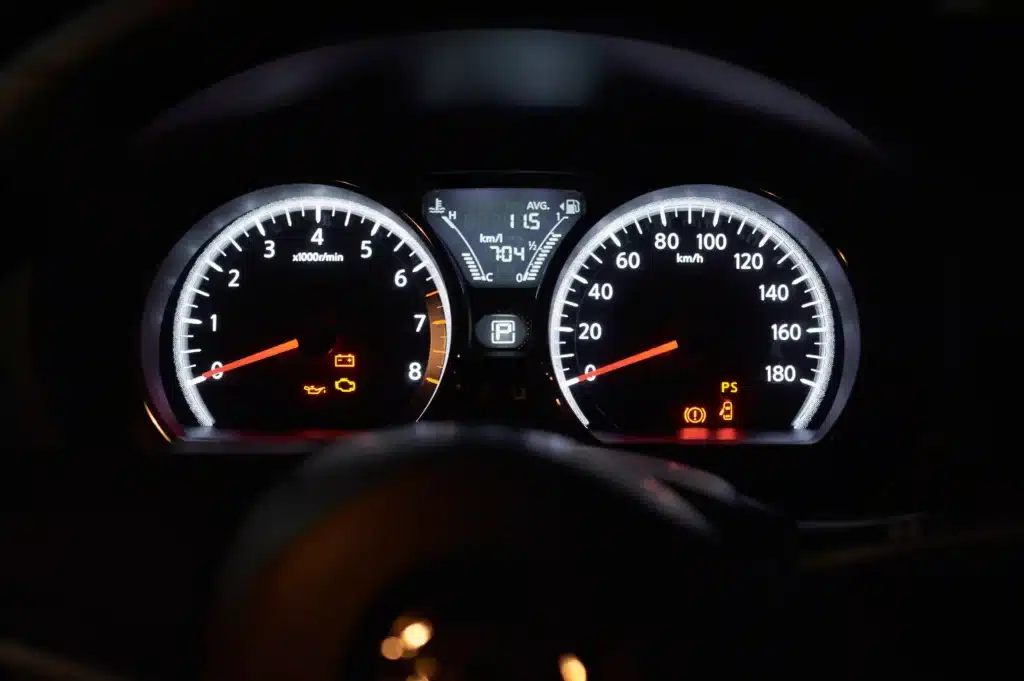
The shudder is the opposite case, because it arrives when the car is being asked for almost nothing. Creeping forward in traffic, the Maxima shakes, and the shake carries up through the steering wheel and the seat. Some drivers notice the gauge needles trembling along with everything else.
Dealers have a name for it. Judder is the term in Nissan service language, and it carries its own diagnostic code, which is why a service advisor can sometimes put a name to your complaint faster than you expected. The usual first answer is fresh fluid and a software update for the transmission control module.
Sometimes that works for a few months. More often a Maxima that got the fluid and the software is shuddering again by the next season, and the repair list continues to a valve body and then to a replacement unit that eventually judders the way the original did. Owners at that stage report a pause of a few seconds between selecting drive and the car actually moving, engine revving in place while nothing happens.
This is the symptom owners live with longest, because at crawling speed it registers as a rough road rather than a failure. It is also the complaint most likely to be called normal for a CVT at the service counter, which is how a Maxima can shake for a long time before the complaint reaches a repair order.
Staying With a Maxima That Judders Has Its Own Price
Nobody plans to spend this kind of money on a car they have already bought. It goes on the card because you chose this one for a reason, and every single charge looks smaller than walking away from a sedan you like.
It starts with a diagnostic fee for the judder code, then a fluid service that helps for a while, and none of it ever feels like a decision. Replacement figures reported by Maxima owners run from around four thousand dollars to nearly seven, depending on whether the unit is new or rebuilt and who does the labor.
Then comes the part loyalty does not survive. Owners have reported a rebuilt transmission failing behind the first replacement, and being charged for the labor a second time even where the part itself was covered.
Somewhere in there the car has asked you for a real fraction of its own value simply to get back to where you started, and the choice narrows to two shapes.
- Keep paying: another four figure bill on top of the diagnostic and the fluid work already behind you, with no promise the replacement outlasts the original.
- Bring a warranty claim instead: what you have already spent on this transmission becomes part of what you are asking Nissan to give back.
Why a VIN Check Will Not Explain What Your Maxima Is Doing
No safety recall has ever covered this. What Nissan did instead was extend warranties and settle a class action, which is why a VIN lookup can come back with nothing open while the car in the parking lot is doing everything described above.
The settlement is the one place real money moved. A class action over Maxima and Murano transmissions received final approval in July 2025 and stretched transmission coverage on 2016 through 2018 Maxima sedans out to 84 months or 84,000 miles, with reimbursement for owners who had already paid for the work. A year on from that approval, the window to claim that money closed.
Everything outside that band was left where it started. A 2010 Nissan Maxima transmission was never inside the settlement, and the voluntary warranty extension Nissan granted its earliest CVT cars, the Maxima among them, expired for a car of that age years ago.
The NHTSA recall lookup will still tell you whether anything at all is on file for your car, and our page on Nissan CVT transmission problems covers how these failures turn up across the rest of the lineup.
A Maxima CVT Does Not Get Better On Its Own
Read enough owner accounts and the direction is always the same. The hesitation that showed up once a month starts showing up on the way to work, and the interval between repairs gets shorter every time.
Nobody reports a Maxima that shuddered for a year and then quietly healed. What the pattern is really telling you is that the choice ahead is a question of timing, not a question of whether a choice has to be made.
California law gives that choice some weight. The Song-Beverly Consumer Warranty Act requires Nissan to buy back or replace a Maxima it could not fix within a reasonable number of repair attempts while the warranty applied. The same CVT tells a taller version of this story in the Murano, and the counting of attempts works the same way there.
Every trip to the service department for this transmission counts as a repair attempt, even the visit that ended with a note of no fault found. Nissan does not get that visit back because nothing was reproduced that day, and the dealer’s own paperwork records each one. Days your Maxima spends sitting at the shop waiting on a part that is not on a shelf get counted separately.
Falling outside the warranty period does not close the door by itself either. What a claim runs on is when the problem was first put in writing, and a dealer printed that date on a repair order long before you started counting.
If the pattern above is your car’s pattern, the question worth settling is whether this sedan is worth another four thousand dollars of yours. Win the argument and the Maxima goes back to Nissan while the money you put into it comes back to you, or you take a replacement instead. Lemon Law Help will read a California owner’s file without charge, nothing is billed by the hour, and a losing manufacturer covers the winning owner’s legal fees.
The transmission has already told you what the next stretch of ownership looks like. The only part still open is who ends up paying for it.
Reviewed by Roger Kirnos, Managing Attorney, California State Bar No. 283163.