
By the third day you have stopped asking when the car will be ready and started asking who can pick up your kid. The morning begins with a ride booked at a surge price and ends with a favor you owe somebody. The service advisor said maybe Friday, in the tone people use when Friday is a guess.
Nobody budgets for this. You pay for the car every month, you insure it, and for two weeks it has sat in a bay you have never seen while you pay again to get to work.
What owners want to know is whether anyone owes them a car in the meantime. The honest answer depends on who you mean by anyone, because the store and the manufacturer are not held to the same thing.
Which Dealerships Hand Over a Loaner, and Which Do Not
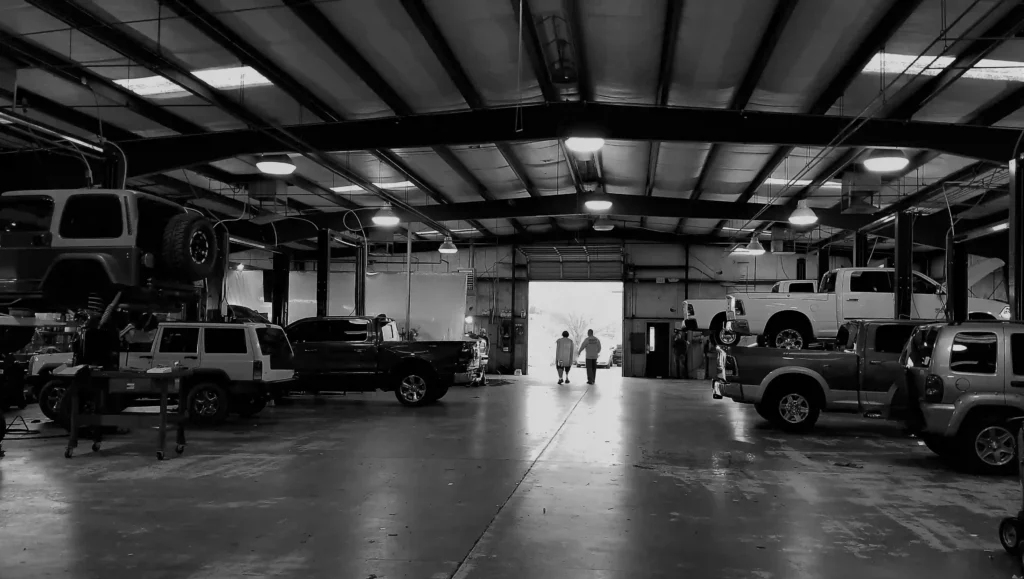
There is no single practice here, which is why your answer sounds nothing like your neighbor’s. One service department hands you a loaner vehicle from dealership stock the moment you drop the keys.
Another keeps a small fleet and holds it back for warranty work, so a repair the manufacturer pays for gets you a car and a repair you pay for does not. A third has none to offer and will say so at the counter.
Larger stores sometimes run a rental desk instead, and dealership rentals of that kind carry a daily charge unless the manufacturer covers it. Check your own auto policy too, since some coverage pays for a rental during a repair and some does not.
When loaner cars are available, expect to show a driver license and proof of insurance, and expect an age requirement not every driver meets. Read what you sign, because it sets a return date, names who else may drive, and says whether you owe the fuel.
None of this is decided by law. It is decided by the store, and by how many cars are on that lot the morning you show up.
What California Law Owes You for the Time Your Car Is Gone
Here is where owners get the wrong impression. California runs no meter paying a set amount for every day your car sits in a service bay, and no state rule forces a dealer to hand you something else to drive while a repair drags on.
What the law does instead is treat the cost of getting around as part of what a manufacturer has to make right when a vehicle turns out to be a lemon. The Song-Beverly Consumer Warranty Act names rental car costs directly. Reasonable repair, towing and rental car costs actually incurred by the buyer are part of what gets paid back when a manufacturer has to repurchase or replace a vehicle.
Two words there do the work: reasonable, and incurred. A rental you paid for and can prove counts. Three weeks of inconvenience you never spent money on does not.
So the loaner is a courtesy the store may or may not extend, while the money you spent because there was no loaner is something you may recover later. Owners who mix up those two leave real money behind.
That gap between a courtesy and a debt is behind the two questions owners ask most at the service counter.
Does the manufacturer pay for my rental while the car is still in the shop?
Not as a matter of law. Some manufacturers do fund loaners and rentals at their own dealerships as warranty policy, which is why the answer changes from one store to the next, and the rental money the statute owes you arrives later as part of a repurchase or a replacement.
Does taking a dealership loaner hurt a lemon law claim?
No. A loaner keeps you moving, and it takes nothing off the days your own car was out of service, because those days are counted from the service paperwork rather than from whatever you were driving instead.
Turning Two Weeks of Rides Into a Number You Can Prove
The trouble with substitute transportation is that it arrives in small pieces. Eleven dollars here, twenty four dollars there, and none of it lands anywhere you would think to look again.
A rental invoice is the strongest version of this, because it is dated and it shows the days. Ask the counter to print one listing the rental period rather than a single total.
Rideshare receipts are easier, since they are already dated and sitting in your email. What they do not say is why you were in that car, so a one line note on the date, saying your vehicle was at the dealer, turns a fare into evidence.
The service paperwork carries the two dates that decide all of this, the day you handed over the keys and the day you got them back. Those dates tie your spending to a warranty repair rather than to a busy month.
Why the Calendar Counts as Much as the Repair Attempts
Most owners believe a warranty claim is built only out of visits: four trips for the same fault, or two for something dangerous.
Time is its own measure. California counts the days a warranty repair takes the vehicle away from you, and thirty calendar days is the line the statute draws, with those days adding up across separate visits rather than having to run back to back.
Within the first eighteen months or eighteen thousand miles, whichever arrives first, crossing that total moves the law onto the owner’s side of the argument. Outside that window the days still count as evidence, they simply do not carry the same automatic weight.
So a part on backorder for three weeks stops being merely irritating. It becomes three weeks on a total the statute already cares about.
That is why the drop off and pick up dates matter more than the mileage on the invoice. A history reading four visits and thirty eight days without the vehicle tells a different story than one reading four visits and nothing else.
Count the Weeks Your Car Was Somewhere Else
There comes a point where the transportation problem stops being the side issue. When the same fault has sent the car back three and four times, and the weeks without it have piled into a month, the days are no longer the inconvenience surrounding the claim. They are a large part of it.
The standard asks whether a warranted defect badly damages what the vehicle is worth, how safely it drives or whether it can be driven at all, and whether the manufacturer has used its opportunities to repair it. Use is the word that carries the calendar. A car you cannot drive is a car you are not using, and how long that lasted is already recorded in the service files.
If it reaches that stage, the remedy is a repurchase or a replacement, and the transportation money rides along with it. Our California lemon law guide sorts out which repair histories meet that standard and which fall short of it.
Owners almost always undercount the days, because a Tuesday drop off and a Friday pickup does not feel like four of them. Lemon Law Help counts them the way the statute counts them, and the counting is free.
The spending is rarely added up while it is happening, because it arrives eleven dollars and twenty four dollars at a time. Six months of it, sitting unread in an email folder, is a figure the statute already has a place for.
Reviewed by Roger Kirnos, Managing Attorney, California State Bar No. 283163.