
Keeping a spare quart of oil in the back of an SUV barely three years old is not a habit anyone signs up for at the dealership. Owners of 2022 and 2023 Volkswagen Tiguan SUVs keep describing exactly that routine, and a VW Tiguan oil consumption lawsuit now alleges the 2.0 liter turbocharged engine burns oil far faster than the design allows.
Being told the number is within specification does not make the quarts any cheaper, and it does not explain what the engine is doing. This is the story of a defect that hides in plain sight, and of the claim California owners hold on their own no matter what happens to that case.
Where the Oil Goes in a Tiguan That Keeps Running Low
In most of these SUVs the oil is not escaping through a hole in anything. It reaches the combustion chamber and burns off with the fuel, which is why the level drops with no puddle underneath to explain it.
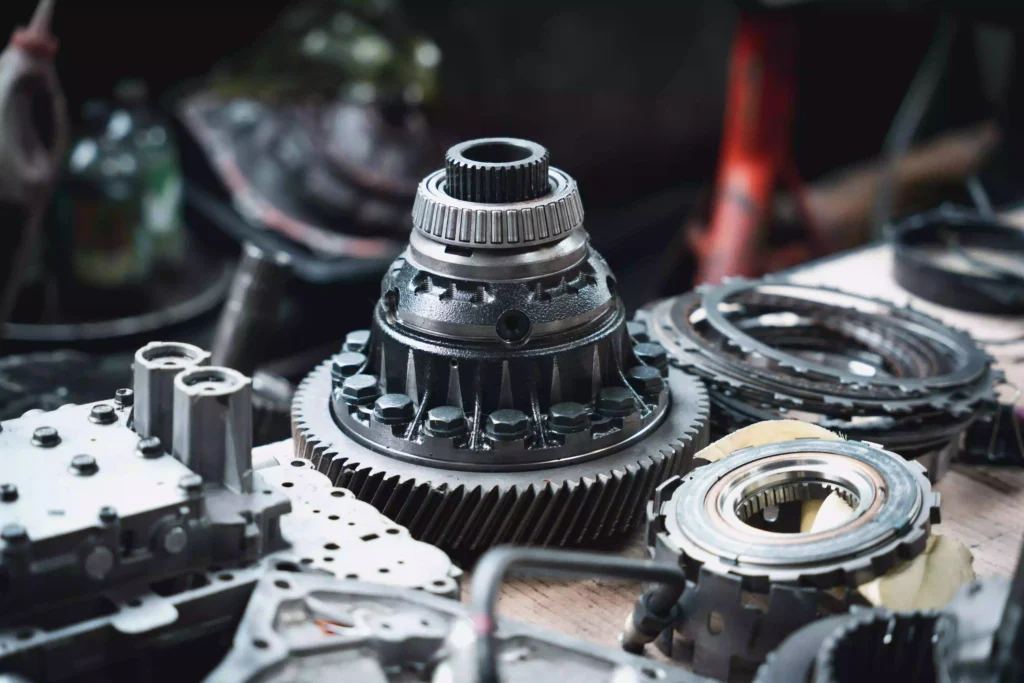
The complaint describes two VW Tiguan engine problems happening at once. Piston rings that do not hold enough tension let oil slip past into the cylinders and burn there. A crankcase ventilation system that cannot relieve pressure pushes oil out through the seals, and that is the Volkswagen Tiguan oil leak an owner can finally see.
Together they produce the pattern owners describe again and again: the SUV drinks steadily and quietly and never hands you one clean symptom to point at. Note the date and the odometer the moment you notice any of these:
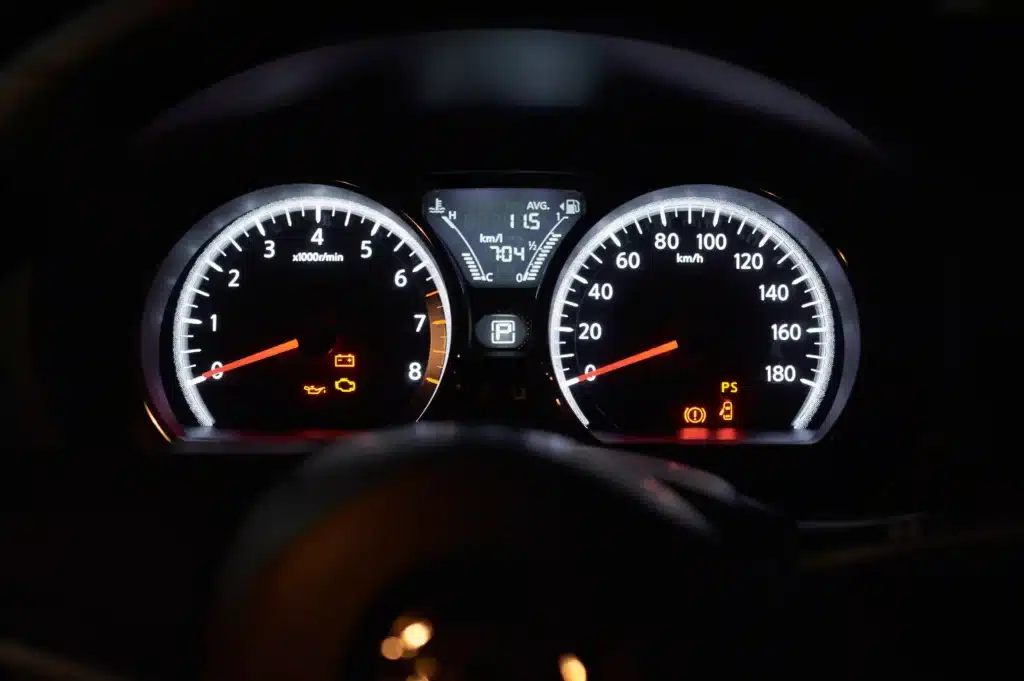
- The low oil light appears well before the next scheduled service
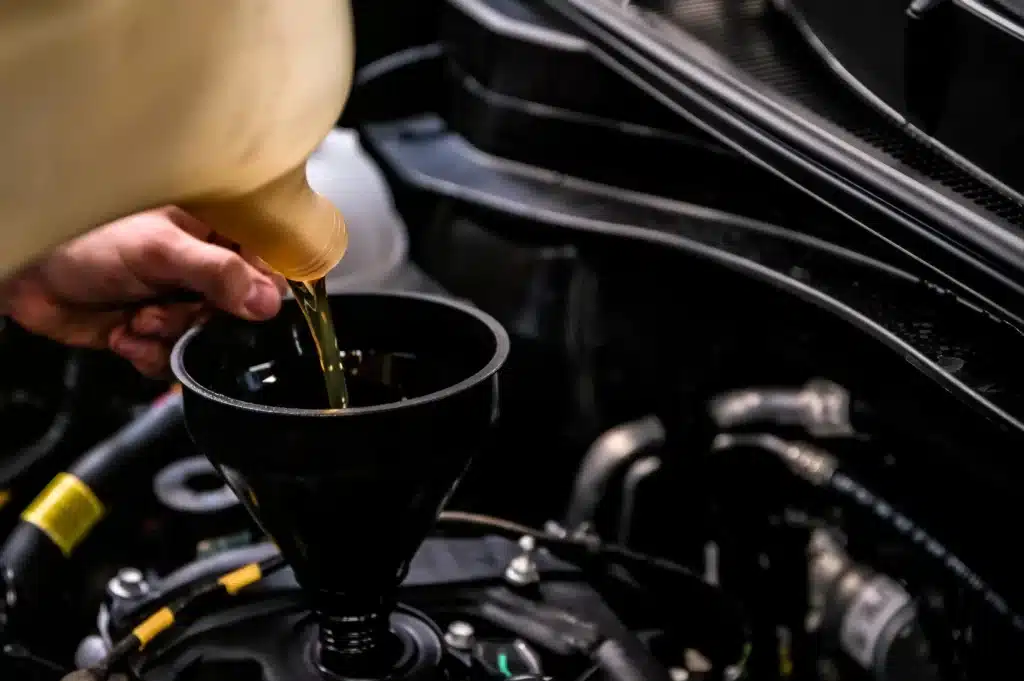
- You are adding a quart every two to three thousand miles or sooner
- The dipstick reads low, or comes up dry, days after a top off
- Blue or white smoke shows at the tailpipe, or the engine runs rough or stalls
- Fresh oil sits on the underside of the SUV, or spots appear where you park
Nobody recalls this accurately a year later, and memory is not what anyone will be reading. The log is, and a log with dates in it is the difference between a complaint and a claim.
The Number Volkswagen Calls Normal for a Tiguan
Volkswagen publishes a figure for how much oil a healthy Tiguan is allowed to use, and it lands higher than most owners would guess. The company sets its standard at up to half a quart per 600 miles, or half a liter per 1,000 kilometers, and that is what a service advisor measures you against.
Stretch that allowance across a normal service interval and it stops sounding modest. A Tiguan on a 10,000 mile oil change schedule could swallow more than eight extra quarts between changes and still be called healthy.
That number is a manufacturer specification, written by Volkswagen for its own service network. It is why an advisor can look at a VW Tiguan burning oil that fast and still call it normal. It is not a legal standard, and it does not decide whether your SUV is defective under California law or what the manufacturer owes you.
The Limits of a Tiguan Oil Consumption Test
Owners book the test expecting something much closer to a diagnosis. What it delivers is a measurement of how much oil the engine uses, and that is the whole of it.
A technical service bulletin Volkswagen sent its dealers in September 2024 instructs them to inspect the engine for leaks, repair whatever turns up, and then run an oil consumption test. The procedure is measurement: fresh oil, a recorded starting mileage, and return visits to see what the engine used.
Nothing in that sequence touches the piston rings or relieves the crankcase ventilation system. The test can confirm your Tiguan is burning oil and still end with an advisor telling you the result falls inside the allowance.
A service bulletin is also not a recall. No recall has been issued for Tiguan oil consumption, so nobody is obligated to rebuild anything for free on the strength of that document. Your VIN run through the NHTSA recall lookup will show whatever is actually open on your SUV, and federal regulators take safety defect reports at 1-888-327-4236 when an engine problem turns into a safety problem.
The VW Tiguan Oil Consumption Lawsuit Stops Short of California
The case does not reach nearly as far as owners assume it does. As of August 2026, after an April ruling narrowed it, the class covers Tiguan owners in seven states: Delaware, Georgia, Illinois, Maryland, Minnesota, New York and Pennsylvania.
California is not among them. Waiting on that case will not put oil back in your Tiguan, repair the engine, or return the money you have spent keeping the level up.
California owners were never dependent on it. State warranty law hands you a claim of your own, on your own timeline, against the manufacturer directly.
How California Law Reads a Tiguan That Burns Oil
Every California lemon law claim in this state traces back to the Song-Beverly Consumer Warranty Act. It applies when a defect the warranty covers keeps dragging down daily use, what the Tiguan is worth, or how safe it is, and the manufacturer has had a fair number of chances to fix it.
An engine that can run itself low enough to overheat or stall in traffic reaches the safety question fast. Complaints filed by Tiguan owners with federal regulators describe losing power at highway speed, smoke trailing the SUV, and nothing readable on the dipstick.
An expired warranty does not automatically close the file. What tends to carry weight is when the oil consumption first appeared and was reported, so the oldest repair order in your glovebox may be the valuable one.
Money you paid out of pocket strengthens a claim without being required for one, since warranty covered visits build the same history. Deadlines shift with the details of your own Tiguan, which is the piece not worth estimating alone.
A claim that lands ends with Volkswagen buying the Tiguan back or handing you another one, less an allowance for the mileage that predates the first oil complaint. Getting there depends far less on any single visit than on the run of them.
What Happens After You Hand a Lawyer Your Tiguan Repair Orders
This stage starts as a conversation rather than a filing. You hand over the repair orders, an attorney reads them against the standard, and you find out whether your history gets there. Nothing is owed either way for that first look.
From there the file gets assembled out of the repair orders, your purchase or lease agreement, the warranty booklet and the service history. Most of what you cannot find is recoverable from Volkswagen and the dealership, so a thin folder is not the obstacle owners assume it is.
Your attorney puts that history in front of the manufacturer and names the remedy. Many claims settle from there, and some only move once a case has been filed. You keep driving the Tiguan throughout, since nothing in the process asks you to surrender the keys while it is pending.
The Paper Trail Your Tiguan Is Already Building
A Volkswagen Tiguan burning oil builds a paper trail whether or not anyone at the dealership is treating it as one. Every visit produces a repair order, every top off has a date, and the odometer reading is sitting right there on the dash.
Ask for the oil consumption test results in writing while you are still standing at the counter, because chasing a copy down two months later is a far slower errand. Take the repair order on every visit, even when the write up says no fault was found. Save the small receipts too, since quarts of oil and diagnostic fees leave your account a few dollars at a time.
Your own log fills the gaps theirs leaves: the date, the odometer, how many quarts went in, and how many days the Tiguan sat at the dealership waiting on parts. The 2022 Tiguan oil consumption complaints on file with federal regulators read like exactly that, one entry at a time.
Volkswagen Customer CARE at 1-800-822-8987 will open a case file on ongoing oil consumption, which puts your first entry somewhere other than your own glovebox. When that file gets thick enough to be worth a second opinion, Lemon Law Help will read it with you.
Reviewed by Roger Kirnos, Managing Attorney, California State Bar No. 283163.