
Most owners call an independent transmission shop only after two or three trips to a Honda dealer that ended with the same vehicle and a printout saying nothing was found. The shifting is still wrong. The service advisor was polite about it.
By the second or third printout, a second opinion starts to look worth the money, and it is where many owners finally get a straight answer about Honda 9-speed transmission problems. An independent bench has no warranty budget to protect and no bulletin telling it what to conclude.
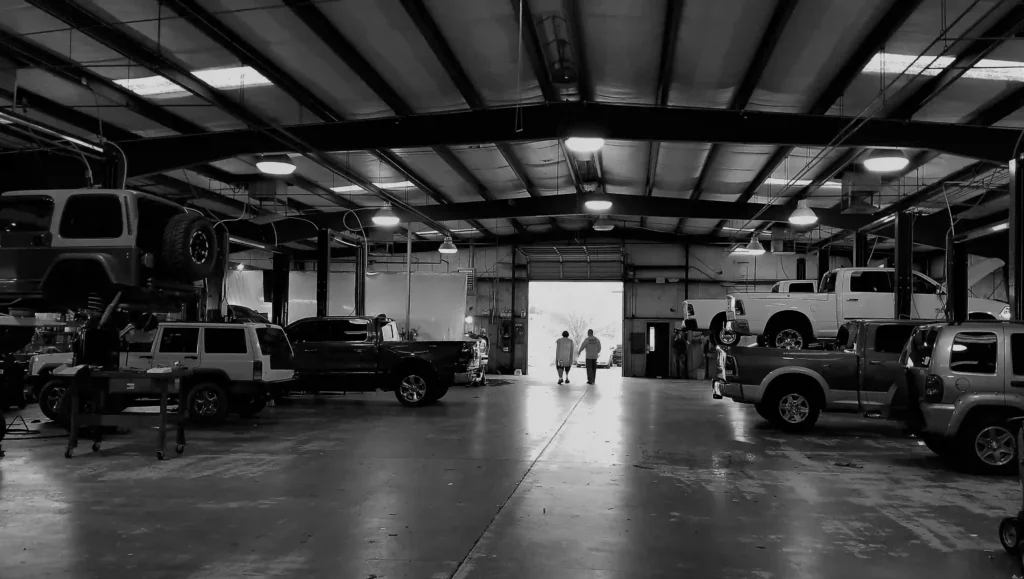
Where an Independent Shop Starts on a Honda Transmission
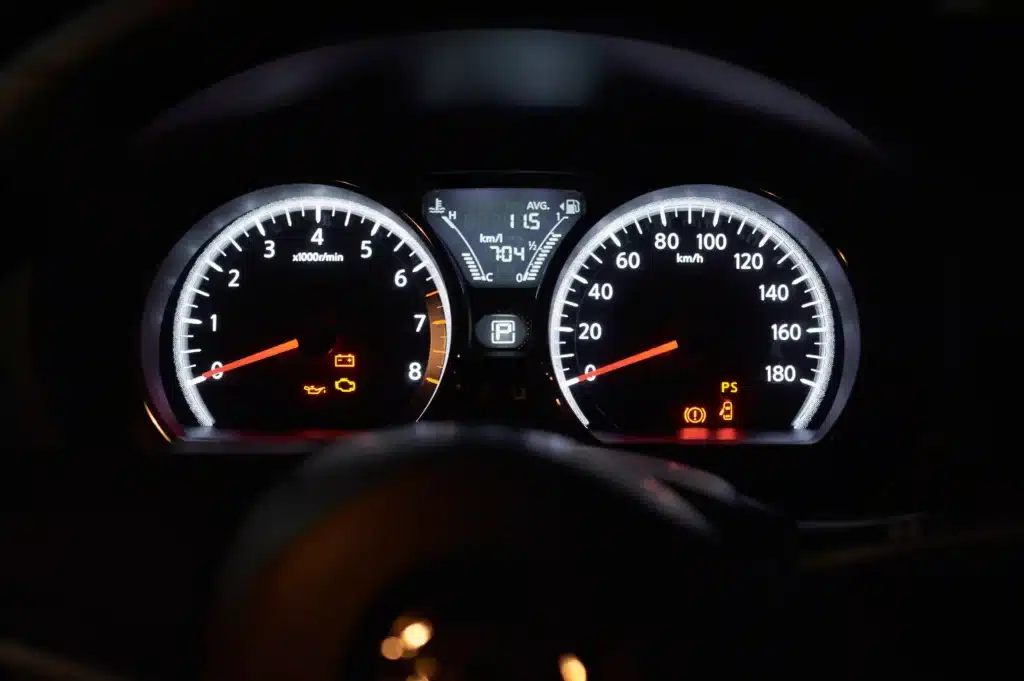
A good independent shop starts where the dealer stopped. It pulls stored and pending fault codes with the freeze frame data behind them, which often survives a dealer clearing a code on the way out.
Then comes a road test with a scan tool running, watching what the computer asked for against what the transmission did. A gear commanded and never delivered shows up as data rather than a complaint the technician must take on faith.
Fluid comes next. This gearbox has no dipstick, so level and condition are read at a check plug with the unit at temperature, and what comes out tells a shop plenty.
The Two Verdicts a Bench Hands Back on a Honda Nine-Speed
The gearbox is not even a Honda design. It comes from ZF and turns up in vehicles from other automakers, so a shop that works across brands has usually met it before.
The first verdict is that the metal is fine and the software is not. The unit engages dog clutches borrowed from manual gearbox design, and engine speed has to drop for a beat before one will engage, which is why the fourth to fifth and seventh to eighth changes feel unnatural even on a healthy unit.
Timing those engagements is the control software’s job, so a transmission can behave badly and still measure perfectly. Clean fluid, correct pressure and no wear tell you something specific: the hardware is healthy and the orders it receives are not.
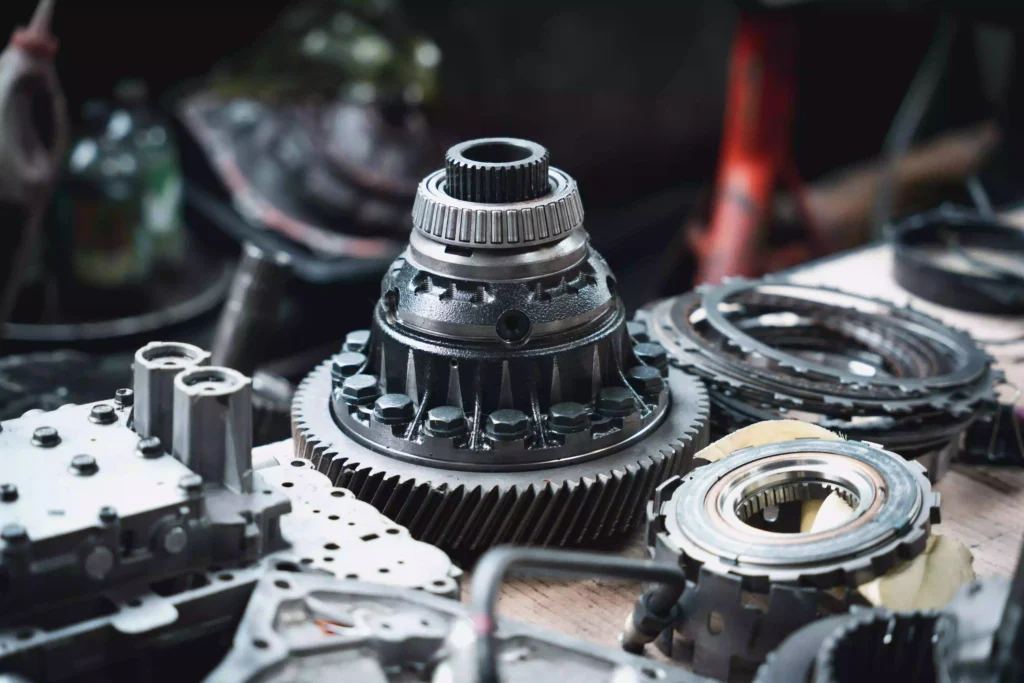
The second verdict is real wear, and it turns up often enough that the aftermarket sells a repair kit built to seal pressure losses inside the valve body of Honda nine-speeds. Solenoids in these units also wear as a set and go soft around the same mileage.
The worst version is contamination. Between the engine coolant and the transmission fluid sits a heat exchanger that shops call the warmer, and when it leaks internally the coolant crossing over attacks friction material and swells seals on its way to a Honda transmission failure no calibration ever caused.
Ask about that part specifically when you call the dealer. On certain of the earliest nine-speed Pilots, Honda extended coverage on the warmer to ten years from purchase with no mileage limit, and only where the vehicle is actually showing symptoms. A service advisor who runs your VIN can tell you in a minute whether yours is on that list.
Why Honda's Reflash Keeps Sending the Same Vehicle Back
Honda has answered most of these complaints by reprogramming the transmission control module, sent to dealers as service bulletins rather than recalls. No letter arrives in your mailbox, so a dealer generally loads the update only after an owner complains hard enough.
The new software also wants a few hundred miles of driving before it settles, which is the reason you get sent home and asked to give it time. Owners who come back after that are frequently told the behavior could not be duplicated.
Here is why the same vehicles keep circling. A reflash changes the orders the transmission receives, so where the bench found pressure loss or contaminated fluid, better instructions go to hardware that cannot carry them out and the Honda transmission problems return on the same stretch of road.
Which Hondas Roll In, and Which Trim You Actually Own
The Pilot arrives most, and its owners are the likeliest to be comparing notes about the wrong vehicle. On the 2016 through 2020 Pilot, only the Touring and Elite carry this gearbox, while the LX, EX and EX-L of those years use a six-speed. From 2021 on, Honda made the nine-speed standard on every Pilot trim, so the trim question drops out for the newer ones.
That one fact explains why advice about Honda Pilot transmission problems contradicts itself so often. Two owners with the same badge on the tailgate can be describing two completely different transmissions.
The Odyssey splits the same way and in the opposite direction. The nine-speed went into the LX, EX and EX-L of the 2018 and 2019 vans while Touring and Elite buyers received a ten-speed, so Odyssey owners are better served starting with the Odyssey version of this story.
The Ridgeline joined from 2020 onward, and its owners usually notice the trouble first while loaded or towing.
Honda Passport 9-Speed Transmission Problems Come With No Trim Exception
The Passport is the one vehicle here where the trim question never comes up. Every Passport built from the 2019 launch through 2025 left the factory with this transmission, so there is no lesser trim to fall back on and no six-speed sibling muddying the diagnosis.
Shops notice that uniformity in what comes through the door. The same hesitation off the line and the same late hard catch of a gear turn up whether the Passport is barely a year old or past sixty thousand miles, which is not the shape wear takes.
The 2026 Passport was redesigned around a ten-speed, which is the quietest comment Honda has made on any of this.
The Price of a Second Opinion on Your Honda
A diagnostic at an independent transmission specialist generally runs between one hundred and two hundred dollars, and many shops credit it toward the repair if the work happens there. Against a replacement reaching several thousand dollars, that is a small price for knowing which one you have.
What the money buys is a written finding from someone with no stake in whether your vehicle is still under warranty. It names the fault in plain terms and carries a date, which a dealer invoice reading no problem found does not.
One thing that opinion cannot do is stand in for a warranty repair attempt. Work the manufacturer answers for still has to happen at a dealer, so the practical use of an independent finding is knowing exactly what to walk back in and ask for.
When Both Opinions Point the Same Way, California Law Has a Name for It
California has a statute written for exactly this standoff. The Song-Beverly Consumer Warranty Act puts a manufacturer on the hook to repurchase or replace a vehicle once a covered failure has outlasted a fair run of repair attempts. A gearbox that will not deliver the gear it was commanded to deliver is a failure of use, and once the dealer has had that fair run at fixing it, the statute does not ask an owner to prove anything more exotic than that.
Those attempts happen at the dealer, and a visit where nothing was replaced and nothing changed still belongs in the count, as do the days it sat waiting on parts. Honda has kept this one inside the service bulletin system rather than a recall, so nothing arrives in the mail to close the file for you. The Pilot runs the same nine speed conversation from the SUV side.
A class action over this gearbox has been before a federal court in California since 2023, with no settlement on offer as of August 2026, so there is nothing there to sign up for yet. An individual claim rises or falls on your own service history anyway, and it runs on its own filing clock, so the courtroom is not a reason to sit still.
When the dealer file and the independent report plainly describe the same vehicle, that pair deserves an attorney’s reading rather than another appointment. Our Honda lemon law attorneys will take both documents and say which way they point, at no charge, since these claims run on contingency and Song-Beverly bills a losing manufacturer for the fees. Putting that question to Lemon Law Help costs a Honda owner nothing but the call.
Whether Your Honda Can Be Repaired or Was Built This Way
Set the invoice aside and a second opinion answers one question: whether you own a vehicle that can be repaired, or one that behaves this way because of how it was built.
A worn valve body or a fluid circuit full of coolant is a repair. It has a part, a price and an ending, and the van or truck you liked comes back to you.
A healthy transmission taking bad orders is a different animal, because there is no part to swap and every update repeats the same instructions. Owners who learn which of the two they own stop waiting for the next appointment to change their minds.
That is what the hour on somebody else’s lift is really for. You stop guessing about the Honda in your driveway, and every decision after it gets easier to make.
Reviewed by Roger Kirnos, Managing Attorney, California State Bar No. 283163.