
Three years or thirty six thousand miles on the basic coverage, then five years or sixty thousand on the powertrain. Those two numbers sit in the warranty booklet that came with your Honda Pilot, and hardly anyone opens it until the transmission gives them a reason to. From that morning on, those numbers decide more about how this ends than anything the vehicle is doing.
By the time most Pilot owners pick up the phone, they have already lived with the judder, the clunk between gears at low speed, or the flare of engine speed that goes nowhere. What decides how that ends is rarely the diagnostic scan. It comes down to a series of conversations, and most owners are only prepared for the first one.
It helps to know which gearbox you are talking about. Earlier Pilots used a six-speed automatic, higher trims from 2016 onward carry a nine-speed, and the generation that arrived for 2023 uses a ten-speed that shares none of that history. Owner complaints rhyme across all three, and that similarity is one reason a service lane treats them alike.
The Service Desk Conversation, and How a Pilot Shudder Gets Normalized
The first conversation is short and it happens standing up. You describe a shudder, or a pause before the vehicle moves, and the advisor types a version of it into the customer concern line while looking at a screen. That one line is the part of the visit that outlives the day, and you almost never read it.
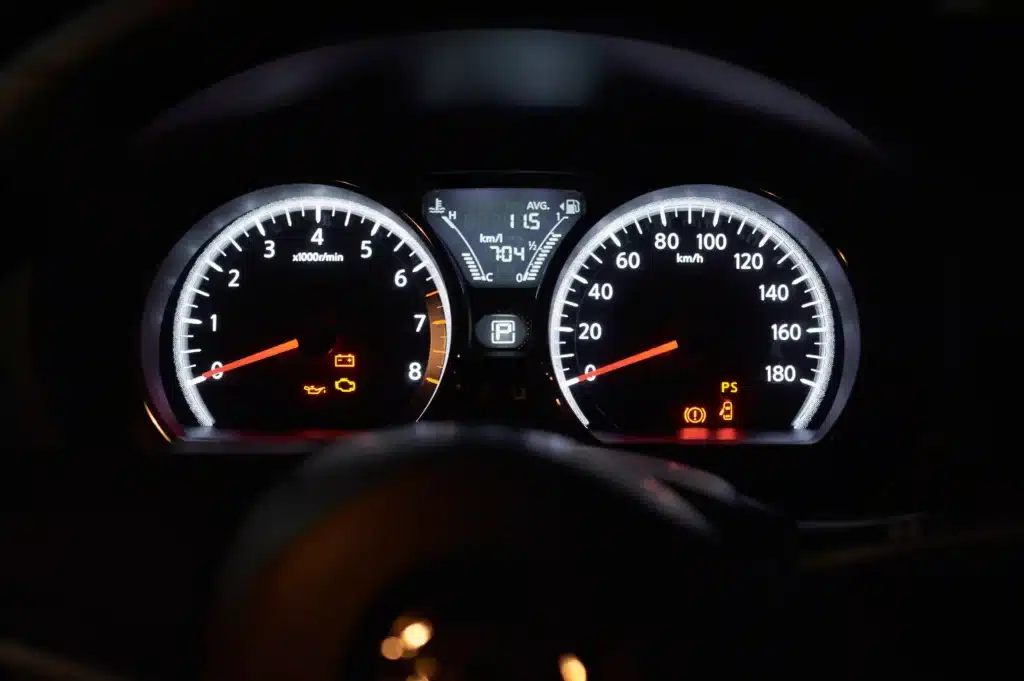
Plenty of owners arrive with the dashboard message already photographed on their phone, because it appeared days before the appointment did. That message is not a maintenance reminder.
It means the transmission controller stored a fault and, more often than not, pulled the gearbox into a protective mode that holds back normal shifting. Have the stored fault noted in writing on your paperwork before anyone clears it.
What tends to come back is reassurance. You will hear that the behavior is characteristic of this transmission, or that the vehicle needs time to relearn your driving, or that the fluid is due and a flush should settle things down. Sometimes the flush is sold to you at your own expense, and sometimes it does quiet the car for a few weeks.
None of that is dishonest, exactly. It is how a service lane with a full row of cars behind yours closes a ticket that will not misbehave on command. The cost lands on you later, because a repair order showing a fluid service and no recorded customer concern is a piece of paper saying your Pilot was fine that day.
The Second Visit, Where Could Not Duplicate Enters Your Pilot File
The second conversation is the one that goes badly. You are back with the same complaint, and this time the write-up says the technician road tested the vehicle and could not duplicate the concern. Nothing is charged, nothing is replaced, and the visit feels like it did not count.
By then most owners have done their own reading on Honda Pilot transmission problems and found strangers describing their exact lurch at their exact speed. That is reassuring, and it does nothing for you on paper. It is also why the second visit is the one to be deliberate about.
Insist that your own words go on the concern line, including the speed you were doing and how often it happens. Ask for a printed copy before you drive away rather than chasing it weeks later. Ask the advisor to run your VIN against extended coverage as well as your factory warranty, because Honda stretched torque converter coverage on certain earlier six-speed Pilots out to eight years or 150,000 miles, and eligibility turns on the VIN and on the transmission having stored the related trouble code rather than on the year a service writer remembers.
Somewhere in this visit you will ask about a recall. Owner reports on these transmissions pile up with no campaign to match them, so the answer for your own vehicle is not in the wall of complaints but in your VIN. Run it at the federal recall lookup.
Owners hear about two other Honda actions and read them as a fix for this. The reprogramming Honda ran on close to 300,000 vehicles in early 2025, the newest Pilots among them, addressed fuel injection software that could make the engine hesitate or stall, and it does nothing for shift quality. A class action over the nine-speed automatic is pending in California federal court with no settlement so far, which means no filing deadline for anyone to miss.
The newest Pilots run a different version of the same afternoon. Their owners are dealing with the ten-speed, where the reports describe a long pause before the vehicle moves and a hard change into second rather than the old torque converter judder. Different hardware, same counter, same answer about relearning your driving.
The Conversation That Reads Your Whole Pilot Repair History
The third conversation is different because the person on the other side is reading your file as a history rather than opening today’s ticket. Dates and odometer readings carry more weight than adjectives. So does whether the concern line on the second visit says what you actually reported on the first.
California gives that history legal force through the Song-Beverly Consumer Warranty Act. The question it puts to Honda is not whether the Pilot still drives but whether a transmission that pauses and then lunges is safe with your family inside, and a defect that reaches safety gets the shortest leash in the statute. Nobody is asked to prove the vehicle stopped.
The second visit, the one that felt like nothing, is often the one carrying the most weight. Honda wrote it down itself and cannot un-write it, and a defect that keeps coming back is what the standard asks about rather than a Pilot on a flatbed.
The dates work the same way, and they catch people out. What counts is the day somebody first typed this complaint onto a repair order, so a ticket you had half forgotten can outrank the one printed last week, even where the coverage in that booklet has since run out. Our Honda lemon law page covers how these claims tend to run, and the California lemon law guide lays out the standard in plain language.
What Changes When Honda Has To Answer the Questions
For two or three visits you were the one asking, and the answers came from whoever happened to be behind the counter that morning. A claim turns the direction of the questions around. The manufacturer has to account for the paperwork its own dealers created, and the file written about your Pilot becomes the file it has to explain.
A claim that goes your way ends with Honda taking the Pilot back and returning what you have put into it, or handing over another vehicle, and the towing and rental bills you covered belong in that figure. The statute also puts the prevailing owner’s attorney fees on the manufacturer, so pursuing one does not come out of what you recover.
If your Pilot has been back for the same transmission complaint more than once, act while the coverage in that booklet is still running rather than after it lapses. Call Lemon Law Help now instead of waiting for the next appointment to settle it, because the clock is the one part of this nobody can hand back to you.
Reviewed by Roger Kirnos, Managing Attorney, California State Bar No. 283163.