


A lot of people who end up calling a lemon law firm waited longer than they had to. They figured the next dealer visit would finally be the one that fixed it, or that there was some magic number of repairs they had to reach before anyone would take them seriously.
If you found this page, you’re probably somewhere in that waiting stretch right now. The car is acting up again, the service advisor is friendly but vague, and you can’t tell whether you’re being patient or being strung along.
The honest answer is earlier than most people expect. The right time to talk to a lemon law lawyer is the first time a warranty repair doesn’t hold.
GM's 6.2L V8 Shows Why a Finished Recall Isn't the End of the Story
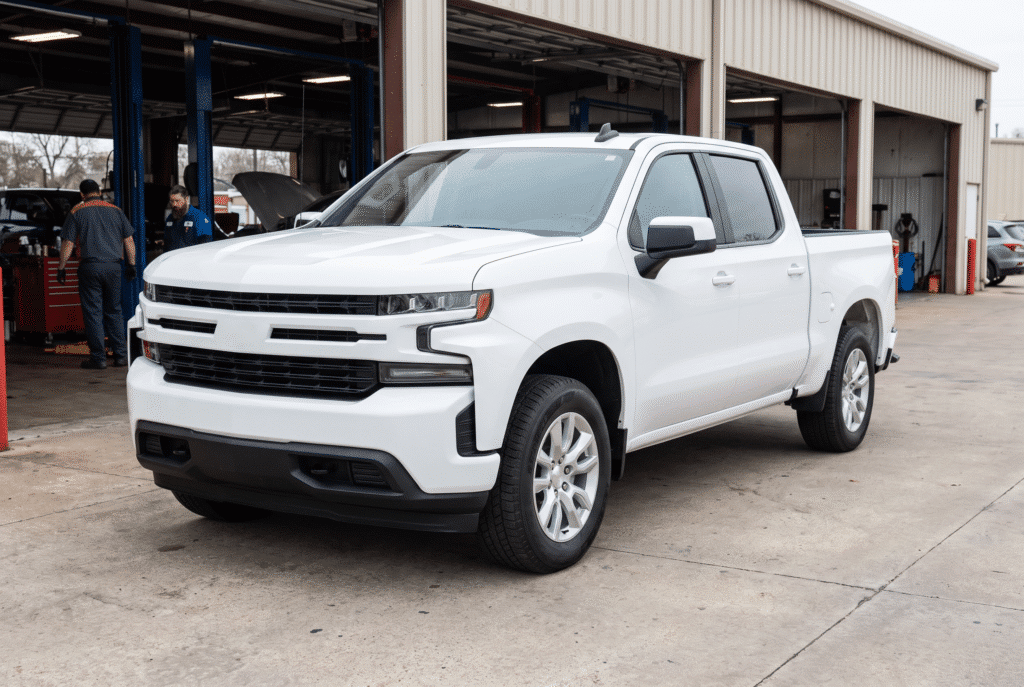
If you want to see what waiting looks like on a big scale, look at what’s going on with GM’s 6.2-liter V8. GM recalled close to 600,000 trucks and SUVs with this engine last year after reports of engines failing. Depending on what a dealer inspection found, owners got either thicker oil or a whole new engine.
In August, federal safety regulators escalated their investigation because engines kept failing after the recall work was done. The agency had 499 complaints of engine failure after the repair, most of them from trucks that only got the oil change. GM told regulators it had received nearly 7,000 complaints like that on its own.
The investigation now covers nearly a million vehicles from the 2021 through 2026 model years with the 6.2L engine. That means Chevy’s Silverado 1500, Tahoe and Suburban, GMC’s Sierra 1500 and both Yukons, plus Cadillac’s Escalade in regular and ESV length. It also reaches engines built after the window the recall covered.
As of early November, regulators were still waiting on GM’s full answers, and no new recall had been announced.
There’s a lesson in that even if you’ve never owned a GM truck. A lot of those owners did everything right. They brought the truck in, got the recall done, and assumed the problem was behind them.
A recall is the fix the manufacturer chose. It doesn’t wipe out your rights under California’s lemon law, and if the defect is still there after the recall visit, that visit can count as another chance the manufacturer had to repair it. If you own one of these trucks, our Chevrolet lemon law page goes deeper on the 6.2L itself.
Five Moments When a Lemon Law Lawyer Is Worth a Call
You don’t need to have your case figured out before you pick up the phone. These are the points where it makes sense to stop waiting and get your repair history looked at.
When the Same Problem Comes Back After a Repair
The car leaves the dealership “fixed,” and a week later the same warning light is back. Or the same shudder, or the same clunk when it shifts. That second visit for the same problem is a good time to call, because a pattern has started and the paperwork is already building.
California’s lemon law, the Song-Beverly Consumer Warranty Act, gives the manufacturer a reasonable number of chances to repair a warranty defect. When it can’t, the manufacturer has to replace the vehicle or refund what you paid, minus an amount for the miles you drove before you first brought it in for that problem. Our California lemon law guide explains how the rest of it works.
When the Dealer Says It Couldn't Find Anything Wrong
This one is maddening. You describe the problem, they keep the car for a day or two, and the paperwork comes back saying they could not duplicate it.
Don’t let that visit disappear. Make sure the repair order lists your complaint, and keep your copy even when it says no repair was made. Whether a visit like that helps your claim depends on the details, and it’s the kind of question a lawyer can answer by reading your repair orders.
When Your Car Has Spent Weeks at the Dealership
Days in the shop add up faster than you’d think, especially when a part is on backorder. Under Civil Code section 1793.22, if a new vehicle has been out of service for repairs for more than 30 days in total within the first 18 months or 18,000 miles, the law presumes the manufacturer has already had enough chances to fix it.
Those 30 days don’t have to be in a row. Your repair orders show the dates the car went in and came out, so the count is usually sitting in your glove box. If you’ve been paying for rides the whole time, keep those receipts too.
When the Problem Could Get Someone Hurt
Stalling, brakes that don’t feel right, steering that suddenly goes heavy, a sudden loss of power while you’re driving. That last one is what the GM engine complaints describe, and it isn’t something to sit on.
When a defect is likely to cause death or serious injury, the same presumption can kick in after just two repair attempts within those first 18 months or 18,000 miles. The law also expects you to have told the manufacturer directly at least once, if your warranty booklet or owner’s manual spells out that requirement and gives an address for it.
When You're Thinking About Trading It In
Plenty of worn-out owners decide to cut their losses and trade the car in. Before you sign anything at the dealership, talk to a lawyer, because once the car belongs to someone else, the conversation about what the manufacturer owes you gets more complicated.
There’s also the trade-in offer itself to think about. A dealer appraising a car with a known problem isn’t going to ignore it, so you could end up paying for a defect the manufacturer was supposed to fix.
What You Don't Need Before Calling a Lemon Law Lawyer
A lot of owners talk themselves out of calling for reasons that turn out not to matter. These are the common ones.
- You don’t need four repair attempts. That number belongs to the presumption, not to the law as a whole, and a claim can still work with fewer visits depending on the defect and your history.
- You don’t need to be under 18 months or 18,000 miles. Passing that mark only affects the presumption, and as our lemon law FAQs explain, you can still file if the problem started during your warranty and wasn’t fixed after a reasonable number of attempts.
- You don’t need to own the car outright. California’s lemon law covers most new and leased cars, trucks and SUVs bought in the state.
- You don’t need every piece of paper. Bring what you have, and an attorney can request missing records from the dealership.
- You don’t need to wait for a recall or a federal investigation to wrap up. If you’re a GM 6.2L owner watching the news, your claim is about your vehicle and its repair history, and it doesn’t hang on what regulators decide.
Getting Your Paperwork Ready for a Lemon Law Case Review
You can call with nothing more than your VIN and a list of what’s gone wrong. A few things, though, make that first conversation go faster.
- Every repair order, including the visits where nothing got fixed and the recall visit itself. For a recall, that page shows which repair you actually received.
- Your purchase or lease contract.
- Receipts for anything you covered yourself, like towing, rental cars or repairs.
- A few notes on what the car does and when it happens: the date, the speed, the road and any warning message on the dash.
One small habit pays off later. When you drop the car off, ask the advisor to put your description on the repair order the way you said it. “Engine lost power on the freeway” tells a much clearer story a year from now than “customer states concern.”
Talking to Lemon Law Help About Your Vehicle
If this sounds like your last few months, call us before you book another service appointment. California’s lemon law makes the manufacturer pay your attorney’s fees when you win, so we charge no out-of-pocket costs, and you won’t owe us anything unless you win your case.
You can reach us at 833-208-8181 or send us your vehicle details for a free case review. If you’d like to see the whole process first, our step-by-step guide to filing a lemon law claim walks through it.
Driving a Chevrolet, GMC or Cadillac? Our Chevrolet, GMC and Cadillac pages cover the problems owners of each brand run into, and the manufacturers page covers the other brands.
Reviewed by Roger Kirnos, Managing Attorney, California State Bar No. 283163.